
Capcom Isn't Worried About the Death of Discs - We Should Be
Around 90% of Capcom's unit sales are already digital, so the publisher shrugs at Sony ending disc production in 2028. That number gets read as preference, but for players in our region it was never really a free choice - and resale, lending and the used market go with it.
Jakov Mikelić
Friday, August 7, 2026
Ninety percent. That's the figure Capcom slipped into the Q&A section of its latest quarterly report when an investor asked what a shrinking physical market means for the company long term. Roughly nine out of ten Capcom games sold are digital, and the publisher says it doesn't anticipate a significant impact when Sony stops producing discs for new PlayStation games in January 2028.
As a business answer, that's completely reasonable. What I can't get past is how that 90% is being read.
It gets presented as a verdict. People voted with their wallets, discs lost, case closed. And partly that's true - I buy digital too, mostly out of laziness. But a number like that only means "preference" if both options were actually sitting there side by side. Here they weren't. Physical games in this part of Europe mean a thin shelf in an electronics chain, stock that shows up late for anything that isn't the single biggest release of the year, and a price that often isn't better than the store on your dashboard. Digital is always in stock, always one click, always at 2am. When one option needs a trip across town and a phone call and the other is a button, "preference" is doing an awful lot of heavy lifting.
What actually disappears with the disc
Not the plastic. The plastic I won't miss.
What goes is resale. Lending. Gifting something that stays given. A disc is a game you can hand to your brother when you're done, sell on the local classifieds, or buy used at half price six months after launch. That second-hand loop is not nostalgia around here - it's the mechanism that made big-budget games affordable in a region where wages are a fraction of Western European ones but the store price is identical to the euro. Take it out and the only price that exists is the one the platform decides to charge that week.
And yes, the disc was also a hedge. Delistings, dead servers, an account you lose access to - none of that reaches a box on a shelf.
I'm not going to romanticise it, though. Half the "physical" releases of the last few years were a download code in an empty case or a stub installer that still pulled 90GB before you could play. Sony isn't killing something healthy in 2028. It's signing the death certificate for something publishers quietly stopped supporting years ago, and Capcom's 90% is the receipt. It also helps that Capcom is having a very good year - Resident Evil Requiem has passed 8 million sales and new IP Pragmata is at 2.5 million sold through. It's easy not to worry when the numbers look like that.
The part nobody is negotiating is the trade. Ownership, resale, lending and a functioning used market were rights that came bundled with the disc, and they're being deleted as a side effect rather than discussed as a cost. Capcom's answer to that investor is at least honest about where the industry stands: from the publisher's side of the table, there is nothing here to solve.
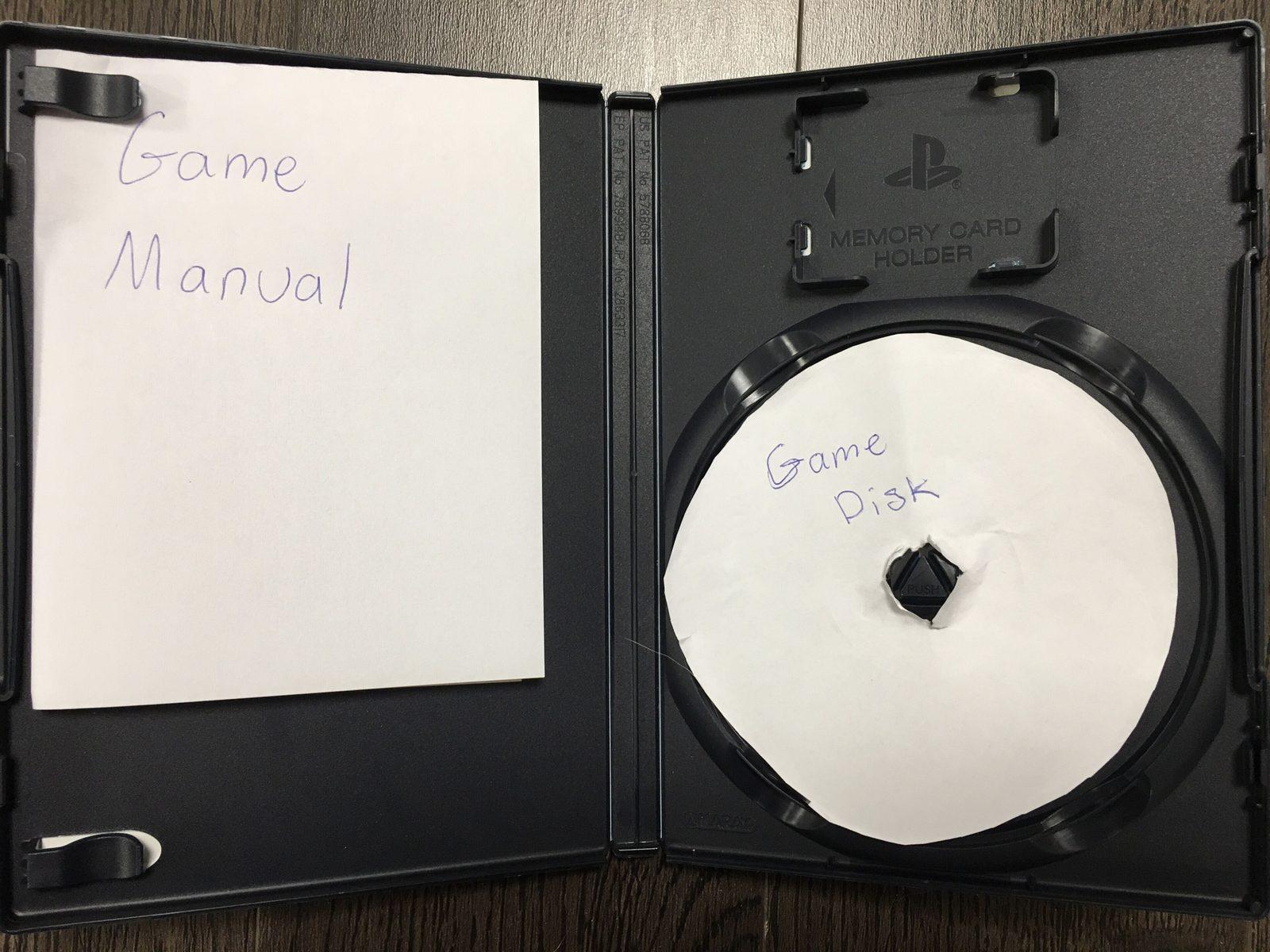
Image: Aya19790 / CC BY-SA 4.0, source: https://commons.wikimedia.org/wiki/File:PlayStation_2_Game_Case_-_Inside.jpg