
Console sales are tanking in the US - and we were paying those prices first
Circana's Mat Piscatella says Xbox hardware sales are down 33% and PlayStation 25% in the US after the price hikes, calling the market the shakiest since the early 80s. Here's why none of that will surprise anyone shopping for a console in our region.
Jakov Mikelić
Saturday, October 10, 2026
When an American analyst says the console market is in its worst shape since the early 1980s, my first reaction isn't shock. It's: welcome to our side of the Atlantic.
Circana's Mat Piscatella, the guy who tracks US hardware sales for a living, says Xbox Series X/S units are down 33 percent year to date compared to last year, and PlayStation hardware is 25 percent lower. For Xbox that's an all-time low. For PlayStation it's the lowest point in years. His diagnosis is short: price sensitivity has become a real problem. His comparison is the one that stings - the early 80s, the only time the industry actually collapsed.
The cause is the same thing we've been griping about since summer. Memory and storage are being hoovered up by AI data centres, so DRAM and NAND cost multiples of what they did two years ago, and both Sony and Microsoft have passed that straight to the shelf. Microsoft raised Xbox prices across Europe on 1 August and said so openly - memory and storage costs rose more than two and a half times, with another doubling expected by autumn 2027.
Here's the part I find almost funny. The US is only now getting the shock. Over here, consoles have been priced like a small piece of furniture for a while. A Series S, the "cheap" console, lists around 500 euros in Europe since August. A disc Series X sits near 800. A PS5 Pro has been living around the 900-euro mark. Those numbers hit very differently on a Croatian salary than on an American one, which is exactly why I'd argue our region is a preview, not a sidenote. When even the US market blinks at these prices, the global strategy has a problem.
And I don't think the fix is coming. The memory crunch is forecast to get worse before it gets better, and neither platform holder has shown any appetite for eating the cost. So what does a normal player here do with this?
First: a console that's already in your living room just got more valuable. A working PS5 or Series X is now worth keeping, maintaining, and if you're selling, pricing with some confidence - the second-hand market locally is the only place these things still trade at something like old-money prices. Second: if you don't own one, the used listings are a far better bet than waiting for an official price cut that nobody is promising. Third, and this is the quiet one: the pressure moves to software. A console that costs 800 euros and games that cost 80 is a hobby that's being priced out of reach for a chunk of families here, and the only lever left is where you buy games, whether they're physical, and whether you can pass them on.
The industry didn't collapse in 1983 because games got bad. It collapsed because the deal stopped making sense to the customer. Piscatella is worried the US is heading that way. I'd just point out that in our corner of Europe, the deal has been shaky for a while - we simply never had an analyst to say it out loud.
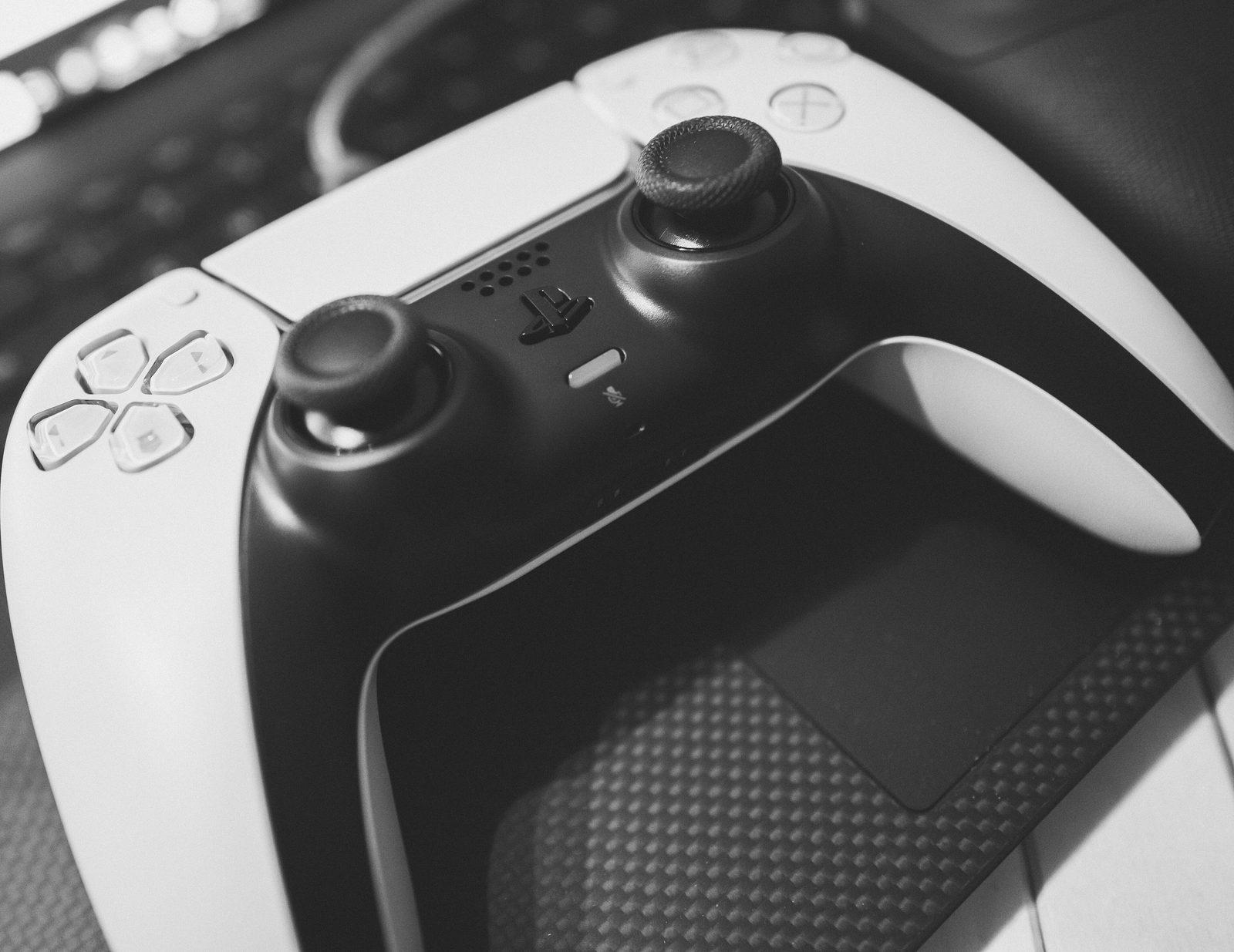
Image: Sergey Galyonkin / CC BY-SA 2.0, source: https://commons.wikimedia.org/wiki/File:Playstation_Dualsense_controller.jpg