
Deadlock's big update slips to late September - and the patch drought is the real story
Valve says the next Deadlock update needs more playtesting and is targeting late September. Fine by me - but seven months between major patches is what's actually eating the player graph.
Rene Sjeverac
Sunday, August 30, 2026
Seven months. That's how long Deadlock players have been sitting on the same major patch, and Valve just told them to hold on a while longer.
The word came from Yoshi, the Valve dev who does most of the talking in Deadlock's community channels: the next big update has taken longer than expected in playtesting, an earlier drop is possible but unlikely, and late September is the realistic target. Asked straight out whether the patch might land next week, the answer was blunt - they're still working heavily on it. Nothing got cut, apparently. The scope is the same, the iteration loop just ate more calendar than planned. And when it's finally ready, players will get told - or, going by the line that made the rounds this week, someone will order a ton of pizza.
I don't hate that answer. I've watched enough games ship a half-baked balance pass just to hit a date to know which failure mode hurts more. What I do have a problem with is the cadence, because Deadlock is a competitive game and competitive games live and die on rhythm.
The numbers do the arguing for me
Look at the SteamDB curve. Deadlock's all-time peak is 171,490 concurrents, set on 2 September 2024, back when an invite code was the hottest currency on Discord. "Old Gods, New Blood" in January - six heroes, the roster up to 38, the 4v4 Street Brawl mode, reworked Patrons - pushed it back to roughly 125,000 at its February high. Right now it's floating around the 70k mark on a good day.
That is not a dying game. Seventy thousand concurrent players in a title that still hasn't properly launched is a number most studios would sell a kidney for. But the shape of that graph is spike-and-decay, and it repeats: big patch, huge spike, months of slow bleed. That's what a long patch gap does to a hero-based game. The meta ossifies. The same three or four heroes decide every lobby at every rank. The people who grind a competitive game for the puzzle - the "what changed, how do I re-solve it" loop - drift off to something that's actually changing.
Ask Dota players about half-year stretches with no gameplay patch. Ask anyone who sat through a stale Valorant agent meta. The players you lose in a drought usually aren't gone forever; they're the ones who come back for a week when the patch drops, get their hit, and leave again. That's how you end up with a game that has a huge lifetime audience and a tiny resident one.
Deadlock's mechanical ceiling is genuinely high. Lane management, item builds, plus real aim and movement is a lot of skill axes stacked into one game, and that's the kind of foundation a scene gets built on. You just can't build one on a game that stands still for two thirds of a year, no matter how good the patch is when it finally lands.
So take the extra weeks and ship it properly. Then work out how to never do a seven-month gap again. Small, regular hero-balance passes between the tentpole updates would do more for retention than any single mega-patch. Late September is fine. Late September followed by another seven months of nothing is not.
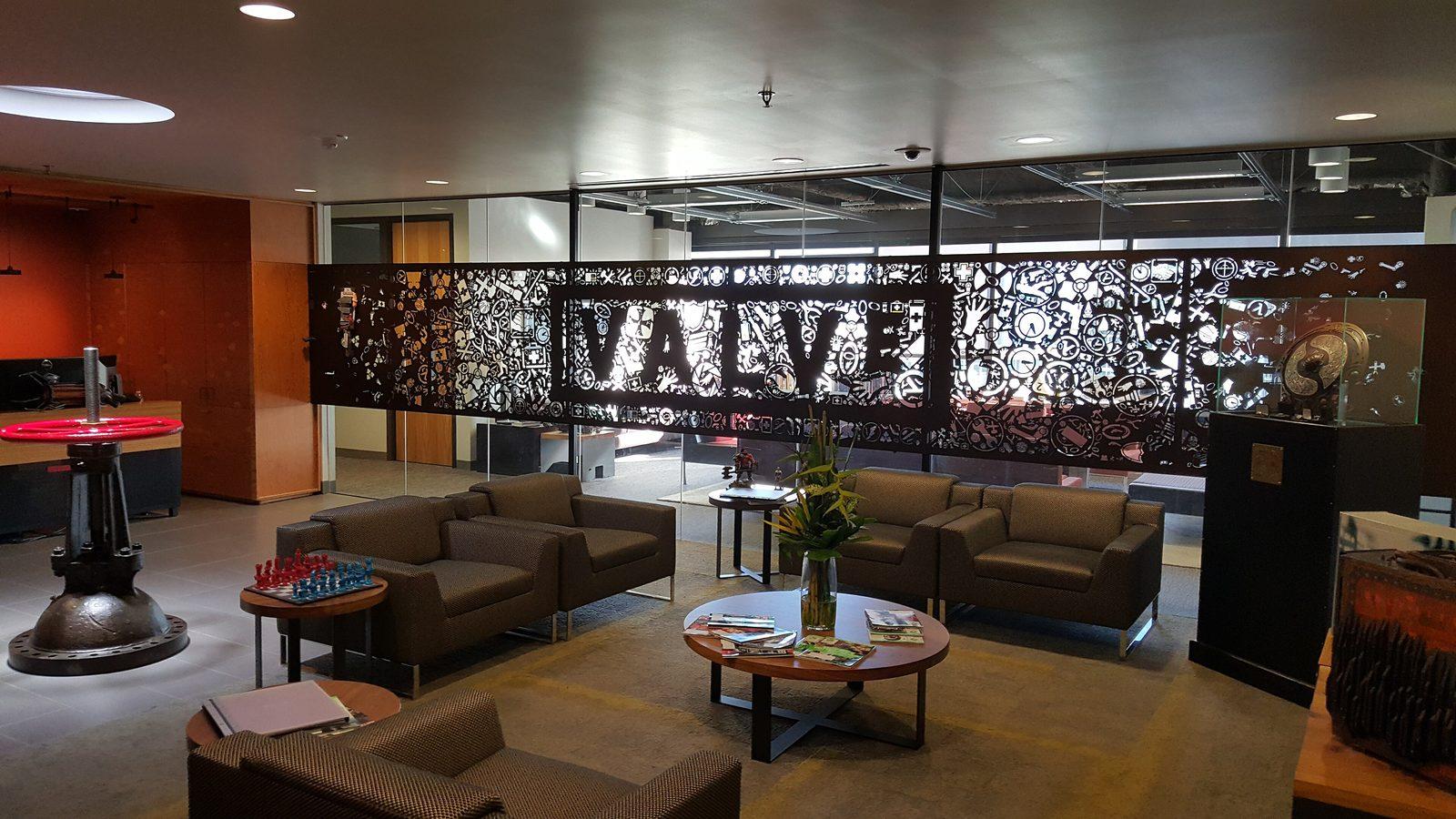
Image: Tim Eulitz / CC BY 4.0, source: https://commons.wikimedia.org/wiki/File:Valve_Lobby_2016.jpg