Fortnite on Linux: will it run on your PC, and why is the Steam Deck left out?
Epic is rebuilding Easy Anti-Cheat as EAC Linux v2 so Fortnite can run on Linux. It needs Secure Boot, TPM 2.0 and a signed kernel, it will ship via the Epic Games Launcher, and the Steam Deck isn't ready yet. Here's what to check on your setup.
Rene Sjeverac
Thursday, October 15, 2026
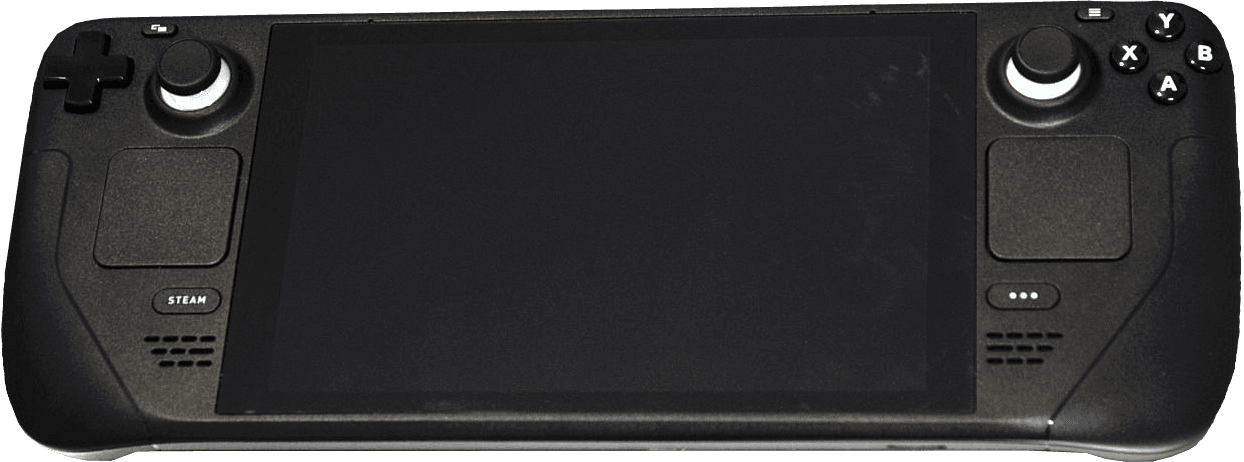
If you've ever launched Fortnite through Proton and watched it fall over at the anti-cheat check, this is the news you've been waiting for. Mostly. Epic is rebuilding Easy Anti-Cheat so Fortnite can run on Linux, and the new version has a name: EAC Linux v2. What it doesn't have yet is a release date. And the Steam Deck isn't ready for it.
Here's what that actually means for your machine.
Can I play Fortnite on Linux today?
Not natively, no. If you want Fortnite on a Linux box right now, cloud streaming is still the only clean route: GeForce Now and Xbox Cloud Gaming both carry it and run in a browser. It's playable. But if you care about input latency the way I do, you know streaming is a compromise, not a fix. Nobody's grinding Unreal rank on an encoded video feed and feeling great about it.
When the native version lands, it'll come through the Epic Games Launcher, which already has a Linux preview out. Epic says it will flip the switch once EAC v2 works with a critical mass of distro maintainers. Fortnite is the pilot; after that, Epic plans to offer EAC Linux v2 to other studios.
Will it run on my machine?
This is the part that matters, and it's stricter than old-school Proton gaming. EAC Linux v2 leans on Secure Boot, TPM 2.0 and signed kernels. In plain terms: Epic wants to verify that the kernel you booted is one a known distro actually signed.
The good news is that it doesn't need a dedicated anti-cheat kernel driver. It uses a service that only runs while a protected game is active, which is a far easier sell than a ring-0 driver living on your system around the clock.
Recognized signing keys already include Ubuntu, Fedora, Debian, openSUSE and Universal Blue, which means Bazzite is covered. The flip side hits tinkerers like me directly: custom kernels and unsigned modules may be blocked. If you're running a self-compiled kernel with your own scheduler patches, or out-of-tree modules you built yourself, expect friction.
Why did this take so long?
EAC isn't new to Linux. It has supported native Linux game clients since 2014, and in 2021 it added support for Windows builds running through Wine and Proton. The catch is that the Proton support is opt-in per game, and plenty of studios never opted in. Epic's own flagship was one of them.
The reason was always trust. Linux lets you run whatever kernel and configuration you like, and for a game with Fortnite's cheating problem and real prize money in competitive, Epic wasn't willing to gamble. The signed-kernel requirement is the answer to exactly that problem.
So why no Steam Deck?
On paper the Deck looks like the easiest target there is: one device, one known OS image. But Epic says the Deck currently lacks the security features EAC Linux v2 relies on. It's talking to Valve, and its security engineering lead is investigating compatibility with the Steam Deck and other SteamOS devices. There's no timeline. So if Fortnite on a handheld is the dream, a Bazzite handheld is the closer bet than a stock Deck right now.
What should I do right now?
A short checklist so you're ready when the switch flips:
1. Enable Secure Boot in your UEFI and confirm it's actually on after you boot Linux. 2. Make sure TPM 2.0 is enabled (on many boards it's called fTPM or PTT). 3. Run a supported distro with its stock signed kernel: Ubuntu, Fedora, Debian, openSUSE or a Universal Blue image like Bazzite. 4. Check what kernel modules you load. Anything unsigned may get you blocked, so know which drivers on your system come from outside your distro. 5. Grab the Epic Games Launcher Linux preview so you're not setting things up on launch day. 6. Don't try to sneak in early. Spoofing or bypassing anti-cheat is exactly how accounts get flagged.
Once the official build is out, the interesting numbers start: frame times and 1% lows on Linux compared with Windows on the same hardware. That's the benchmark I want to run.
The bigger story might not even be Fortnite. For years, "anti-cheat won't allow it" has been the go-to excuse for keeping competitive shooters off Linux. If Epic trusts EAC v2 enough to put its biggest game behind it and then hands it to other studios, that excuse gets a lot harder to lean on.
Image: Liam Dawe/GamingOnLinux, PNG version by VulcanSphere / CC BY-SA 4.0, source: https://commons.wikimedia.org/wiki/File:Steam_Deck_(front).png