Sony says you don't own your digital games - its own support pages say otherwise
Sony's lawyers argue that "reasonable consumers" know a PlayStation Store purchase is only a licence. A Consumer Rights wiki list of 30+ counterexamples says otherwise - and with discs going away in 2028, it matters more than ever for players in our region.
Jakov Mikelić
Saturday, September 12, 2026
Sony has a problem with the word "own".
Last month, answering a class action filed in California, the company's lawyers argued that "reasonable consumers" already understand a digital game bought on the PlayStation Store isn't really theirs. What you pay for is a licence, and a licence can be revoked. Legally, fair enough. The trouble is that Sony's own messaging has spent years telling people the exact opposite.
The Consumer Rights wiki has now collected more than 30 examples of that. Support pages talking about "a digital PS4 game you already own". Upgrade instructions for people who "own" both the PS4 and PS5 versions. Bonus content that's "free for all Ghost of Yōtei owners". Share Play, which works "regardless of who owns" the game. That might not decide anything in a courtroom, but it's a bad look for a company claiming the distinction is obvious to everyone.
The case itself is a US matter. Four PlayStation buyers argue that the "Buy now" and "Confirm purchase" buttons, with the licence terms tucked away in the fine print, break a 2024 California law requiring sellers to state plainly that "buying" a digital good means getting a licence. A hearing is set for 1 October. None of that applies to us directly - but the timing makes it sting.
Why this hits harder now
In July, Sony announced that from January 2028 it will stop producing discs for new PlayStation games. Its reasoning: digital already makes up around 85% of full-game sales on PS4 and PS5. So in about a year and a half, the "licence you can lose" becomes the only way to buy a new PlayStation game at all.
In our region that's not an abstract debate. Plenty of people here can afford to play precisely because of the disc. You finish a game, sell it second-hand, and that money goes towards the next one. You lend it to a friend, or pick up last year's hit at half price in a local shop. A digital licence gives you none of that. No resale, no lending beyond whatever account sharing Sony permits, no guarantee it'll still be in your library in ten years. A game that costs the same number of euros is suddenly worth less.
And Europe had its shot at changing the rules. The Stop Killing Games citizens' initiative gathered more than 1.29 million verified signatures, and in June the European Commission replied that it won't propose a legal obligation to keep games playable after support ends. Instead we get a voluntary industry code of conduct by the end of the year and more awareness of existing rights under the Digital Content Directive. Polite, and toothless.
My take: I don't expect Sony to abandon the licence model, and nobody seriously does. But if the product is a licence, call it a licence - on the button, not in paragraph fourteen of the terms. And price it like one. You can't spend years telling people they own something, shrug when they ask where that ownership went, and at the same time scrap the one format that actually put something in their hands.
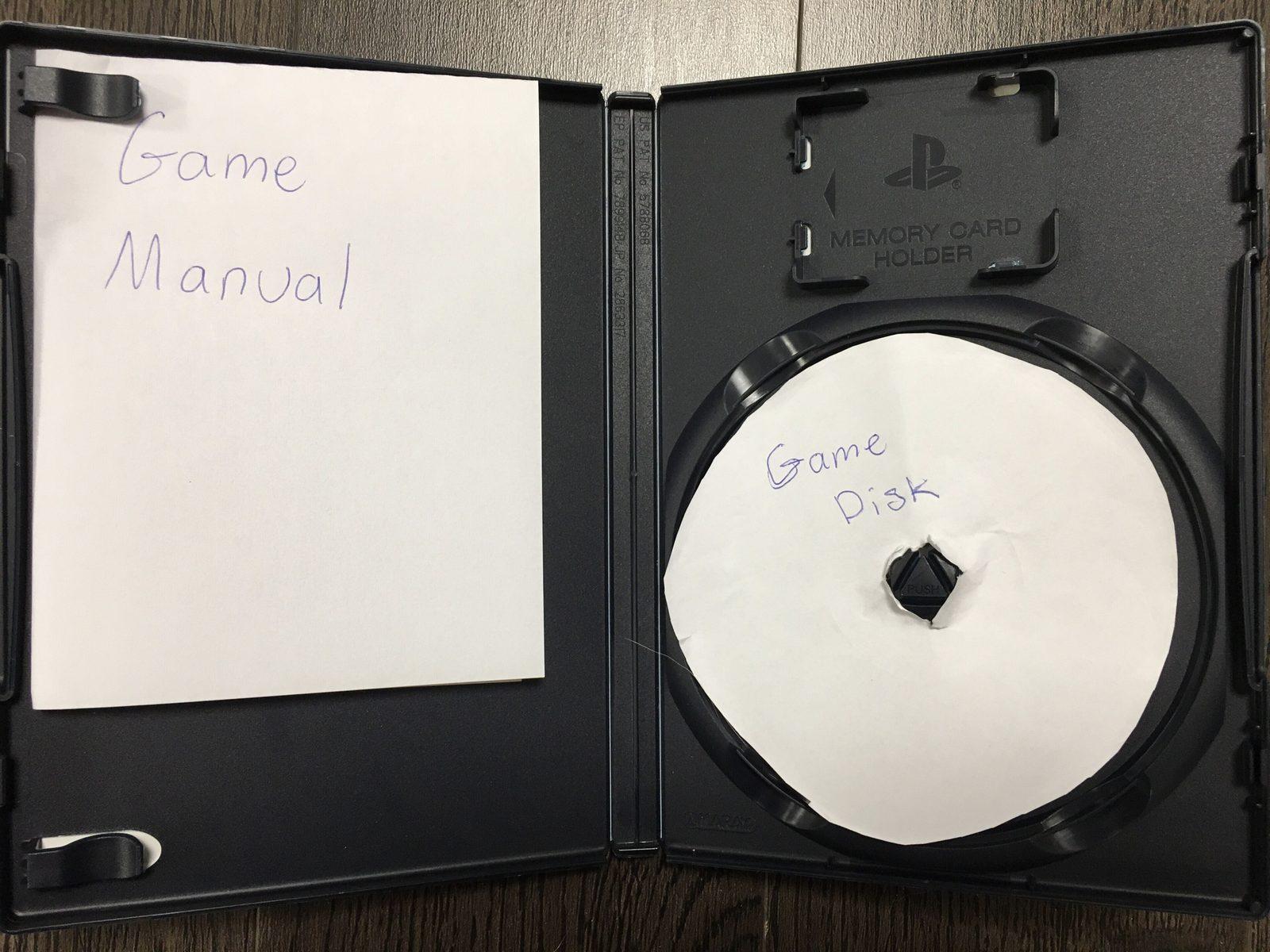
Image: Aya19790 / CC BY-SA 4.0, source: https://commons.wikimedia.org/wiki/File:PlayStation_2_Game_Case_-_Inside.jpg