
The RAM crisis is coming for Valve's value pitch, and that should worry all of us
DRAM prices have been repriced by AI demand, consoles are getting more expensive across the board, and PC Gamer's Steam Week in Review asks the question out loud: can Valve's 'mainstream-friendly' hardware survive the memory crisis? Rene has a take.
Rene Sjeverac
Monday, August 3, 2026
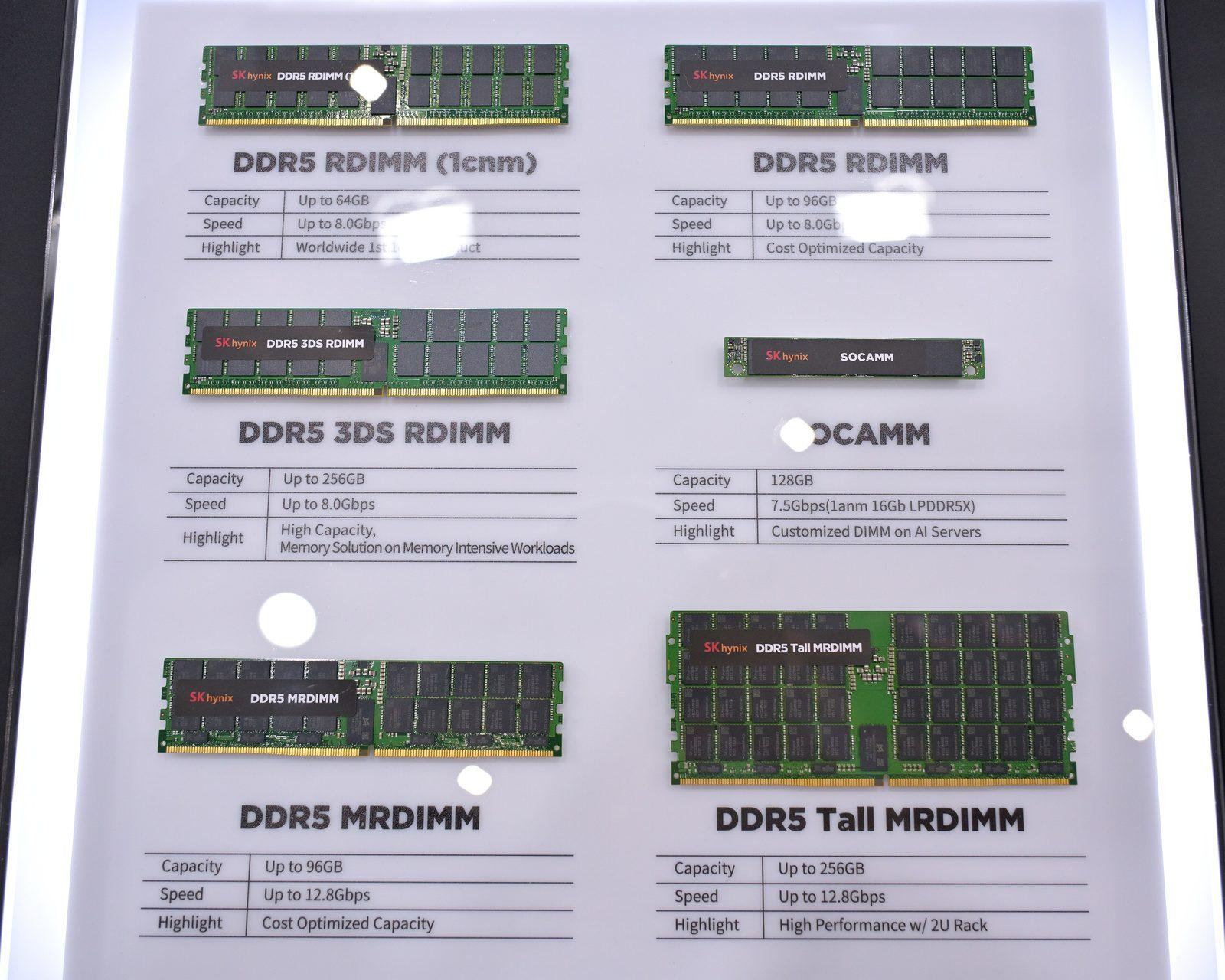
The ugliest line item in any PC build quote right now isn't the GPU. It's the memory. I've been speccing builds all year, and every single time the same thing happens: the RAM kit that used to be an afterthought is suddenly fighting the graphics card for budget. So when PC Gamer's latest Steam Week in Review asked whether Valve's hardware - once positioned as the mainstream-friendly way into PC gaming - can survive the memory crisis, my honest reaction was: finally, someone said it out loud.
Quick recap for anyone who hasn't priced a build lately. AI datacenters are hoovering up DRAM capacity, and the entire memory market has been repriced around buyers with far deeper pockets than gamers. DDR5 kits that were budget filler in early 2025 now cost several times as much, and reporting across the hardware press has tracked spot prices exploding through late 2025 without ever properly coming back down. This isn't a normal cyclical dip. When the marginal buyer of memory is a hyperscaler, gaming hardware stops setting the price.
Consoles blinked first. Sony, Microsoft and Nintendo have all pushed hardware prices upward this generation, with component costs - memory chief among them - repeatedly cited as a driver. The old rule that a console gets cheaper over its lifetime is dead, and it wasn't gaming that killed it.
Valve's whole pitch is the price
Here's why this matters more for Valve than for anyone else. The Steam Deck worked because it undercut every comparable handheld and gaming laptop while running your existing library. The Steam Machine's entire appeal is the same trick scaled up: console-simple, PC-open, at a number that doesn't make you flinch. Valve's hardware doesn't win on raw specs. It wins on value per euro. Every point DRAM prices climb is a direct hit on that pitch, because memory - system RAM and VRAM both - is exactly the component Valve can't spec down without gutting performance.
And unlike Sony or Microsoft, Valve can't lean on a subscription ecosystem to claw back a subsidized box. What it does have is Steam itself, the most profitable storefront in gaming. Which brings me to my actual take: eat the margin, Valve. If any company on the planet can afford to sell hardware near cost through a memory crunch, it's the one taking a cut of nearly every PC game sold. A Steam Machine priced like a 2024 build would land like a statement. A Steam Machine priced like a 2026 build is just another expensive box in a market drowning in them.
I don't envy whoever at Valve has to sign off on that number. But the difference between 'mainstream-friendly' and 'enthusiast curiosity' is going to be decided by a DRAM spot price that nobody in gaming controls. That's the real story of this hardware generation, and it's barely started.
Image: 4300streetcar / CC BY 4.0, source: https://commons.wikimedia.org/wiki/File:SK_Hynix_DDR5_form_factors.jpg