
Wardogs just proved the server browser isn't dead - and Battlefield should be embarrassed
Bulkhead's 100-player shooter sold over a million copies in 24 hours with zero matchmaking, then doubled down on community servers in patch 0.11. Rene on why that list of servers matters more than the sales chart.
Rene Sjeverac
Wednesday, September 16, 2026
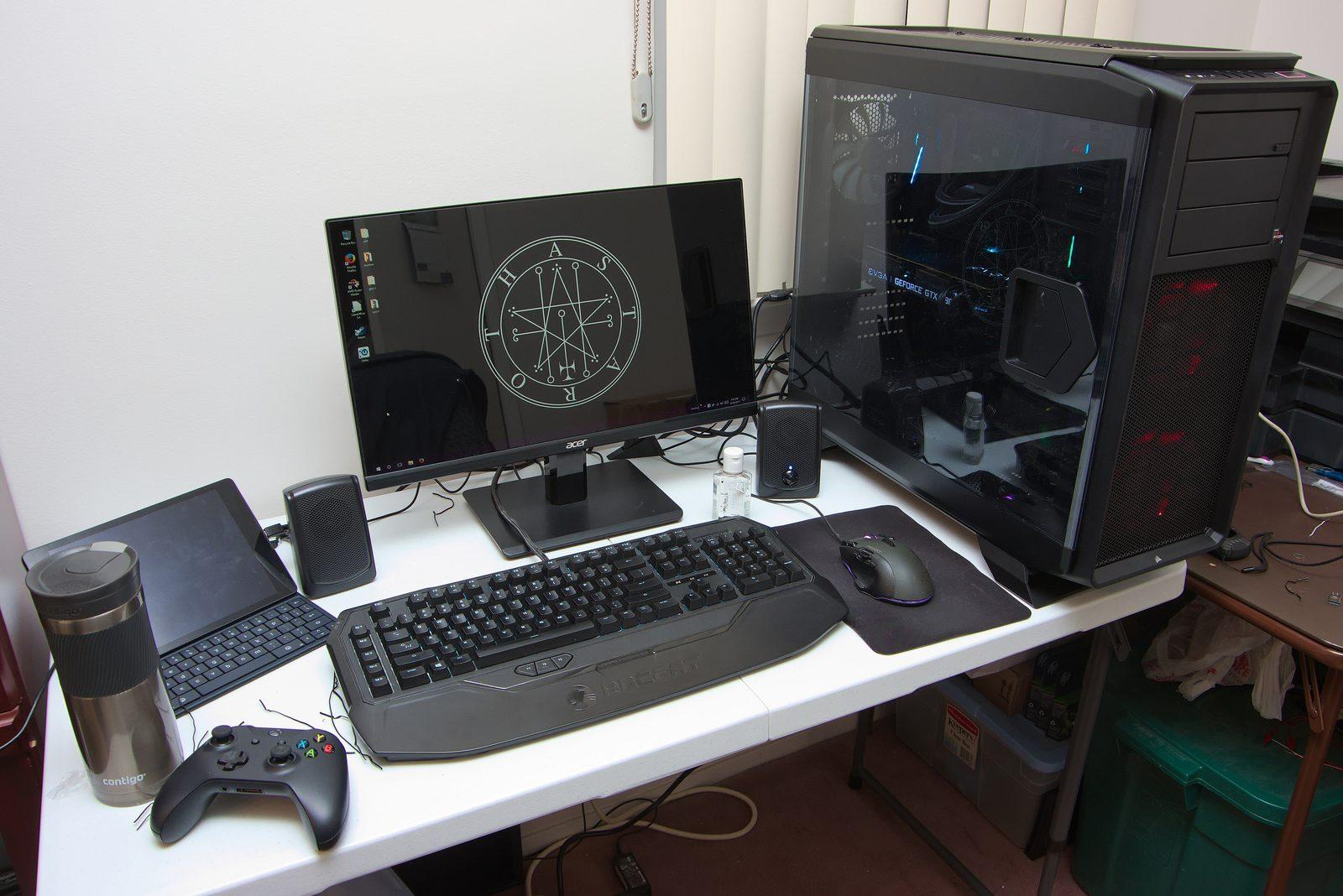
Over a million copies in 24 hours, and not one of those players was handed a lobby by an algorithm. That's the detail from the Wardogs launch I keep coming back to - not the sales chart, not the queue memes. Bulkhead's 100-player, three-team shooter went into Steam Early Access on September 10 with no skill-based matchmaking at all. You open a list of servers, you read the ping column, you pick one. Like it's 2009, and I mean that as a compliment.
I've spent years being told this model can't scale. Too confusing for new players, too easy to land in a lopsided lobby, impossible to fill at four in the morning. Battlefield 6 leaned on that argument and shipped without a classic server browser for its main modes, leaving that job to Portal. Wardogs took the opposite bet and the numbers so far don't punish it: over a million copies on day one and a reported Steam concurrent peak around 400,000. The thing that broke wasn't the browser. It was the backend behind it - queues that reportedly stretched past 300,000 players, a Steam rating that slid to Mixed, and a CEO telling unhappy buyers to refund until the servers stabilised. Blunt, but the correct call.
The part that actually matters for anyone who cares how PC shooters get built landed on September 14 with patch 0.11. Bulkhead split the front end into two browsers, Official and Community, gave community servers persistent IDs you can join directly, added text search, and stripped pointless filters off the official list since there are no modified official modes yet. Community servers also pay out a temporary 5% end-of-match cash bonus, which the studio frames as an apology for how underserved those hosts had been. And they said out loud what nobody usually admits: a game with this many players would realistically be easier to run on matchmaking, and a browser isn't a perfect fit - but they weren't willing to leave admins and hosts holding the bag.
That honesty is the whole story for me. A browser costs a studio control. You can't hide a thin player base, you can't quietly tune the lobby so the new player wins their first three matches, you can't sell an engagement curve to a publisher as a lever. What you get instead is a server with a name, an admin who kicks the cheater in thirty seconds instead of after a support ticket, regulars you recognise, and - critically for anyone who's ever chased frame times - the freedom to pick the 8 ms server in Frankfurt over the 45 ms one a matchmaker decided was good enough. Every competitive scene I follow was born on exactly this infrastructure. CS didn't get big because Valve matchmade it well.
Am I calling Wardogs a finished product? No. It's Early Access with a planned runway of one to two years, console versions aren't on the table until 2028, and launch week was rough enough that the studio told people to ask for their money back. It's also one game, at 40 dollars with no battle pass and no pay-to-win, which is a business model most publishers gave up on years ago. But the claim that PC players won't tolerate choosing their own server just got a million-copy counterexample, in the same season the biggest name in the genre decided we couldn't be trusted with a list.
Bulkhead's next test is the boring one: keeping those community servers populated once the launch spike fades. That's where browsers have historically died, and it's where this one will actually earn the point it's making.
Image: Brian Wong / CC BY-SA 2.0, source: https://commons.wikimedia.org/wiki/File:Gaming_PC-Setup_-_Astaroth-_The_Completed_System.jpg