
Final Fantasy 7 Revelation wants around 200GB of your SSD, and I'm not sure 'overcoming the hardware' is the right phrase
Director Naoki Hamaguchi says the trilogy finale will probably land at roughly 200GB. On a 1TB drive that's a fifth of your storage for one single-player RPG - at a moment when flash isn't getting cheaper.
Rene Sjeverac
Saturday, September 19, 2026
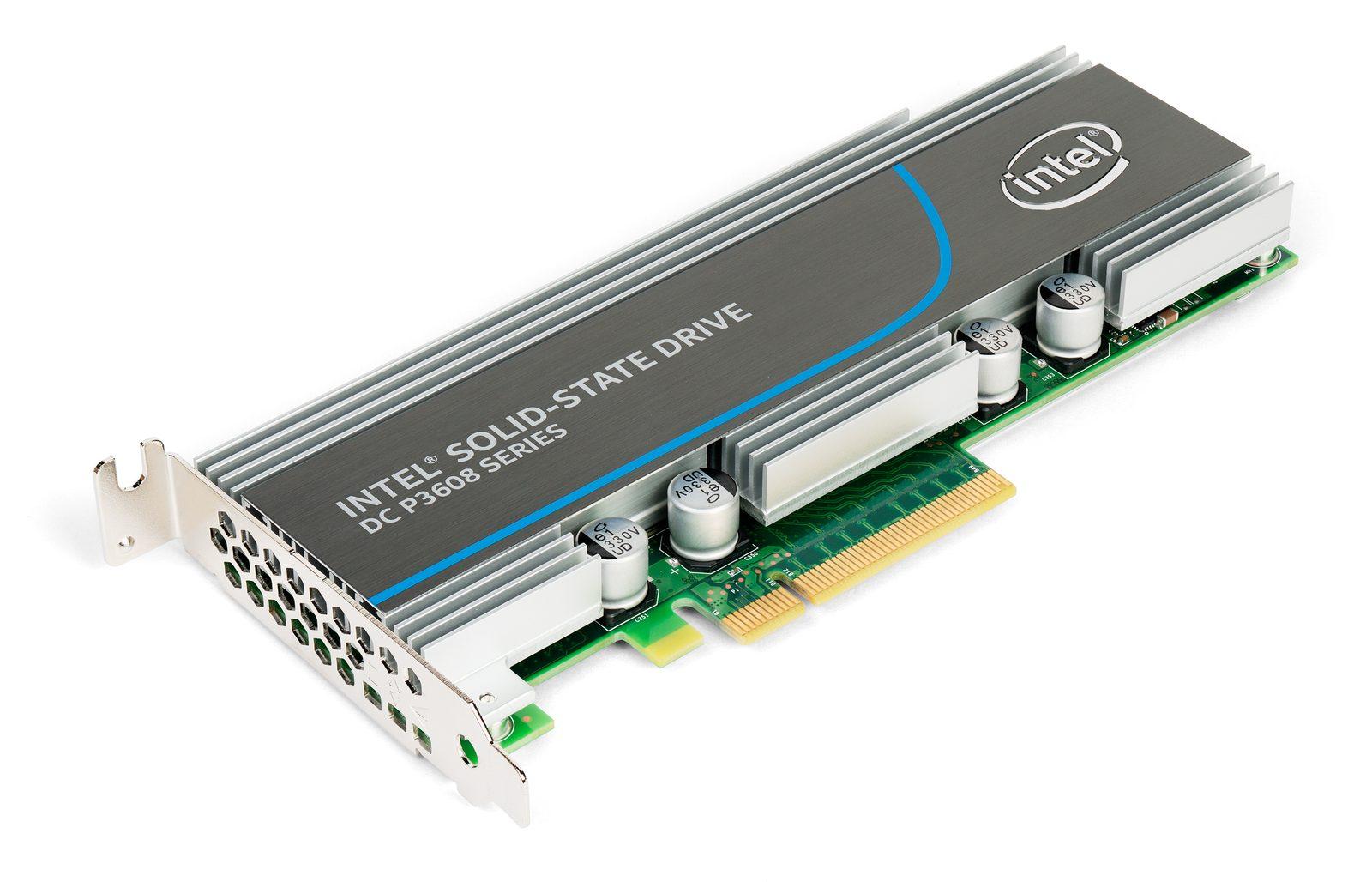
200GB. That's a fifth of a 1TB NVMe drive, gone, for one single-player RPG. Not a live-service shooter hoarding four years of seasonal maps - a game you'll finish once, maybe twice.
The number comes from Final Fantasy 7 Revelation director Naoki Hamaguchi, speaking to VGC. Asked about the install size, he said things are still being worked out but it's probably going to be around 200GB. His justification is the line that's going to follow this game around: he understands there are a lot of opinions on the topic, but the team needs to "overcome the hardware to a certain extent."
I get what he means. The team didn't want to cut the game down to fit the physical media, so the boxed edition reportedly ships on a single Blu-ray with a mandatory download on top - where the previous two parts came on two discs each. Revelation is headed to PS5, PC, Switch 2 and Xbox Series X/S, and no, a 200GB game isn't fitting on a disc or a cartridge for any of them.
But here's my problem with the phrasing. You don't overcome hardware by asking the player to buy more of it. That's not overcoming anything, that's forwarding the invoice. Overcoming hardware is what good compression, smart asset streaming and deduplicated textures do. For context, Remake's Steam page asks for 100GB and Rebirth's asks for 155GB, so the trajectory was obvious - and nobody at any point in that curve decided to bend it.
The timing stings too. We're in the middle of a memory crunch where DRAM and NAND pricing are both drifting the wrong way, so "just buy a bigger SSD" is worse advice than it was two years ago. And consoles have it harder than we do: a base PS5 has well under 1TB of usable space, and a Switch 2 has a fraction of that. On PC at least I can throw a second M.2 drive at the problem. A Switch 2 owner is doing storage Tetris with a microSD Express card.
What I actually want to know is what's in those 200GB. If it's pre-rendered cutscenes stored as high-bitrate video in multiple languages - a classic install-size balloon - then an optional-language-pack setup on PC would shave a real chunk off, and plenty of games already do that. If it's unique high-res textures across a huge world, fine, that's at least bytes I can see on screen. Hamaguchi says the figure isn't final, so there's room for it to move. I'd love for it to move down.
One practical note from someone who benchmarks ports for fun: don't put this on a hard drive and hope. Rebirth's PC version already required an SSD, and a game this heavy on streaming will punish slow storage in exactly the place it hurts - traversal stutter and 1% lows. Budget the space on a proper NVMe drive, and keep 15-20% of it free. A stuffed SSD is a slow SSD.
Big games aren't a sin. Unexamined big games are. I'll happily give Revelation its 200GB if the port is clean and the frame times are flat. I just don't want to be told that my storage bill is somebody else's engineering triumph.
Image: Dmitry Nosachev / CC BY-SA 4.0, source: https://commons.wikimedia.org/wiki/File:Intel_P3608_NVMe_flash_SSD,_PCI-E_add-in_card.jpg