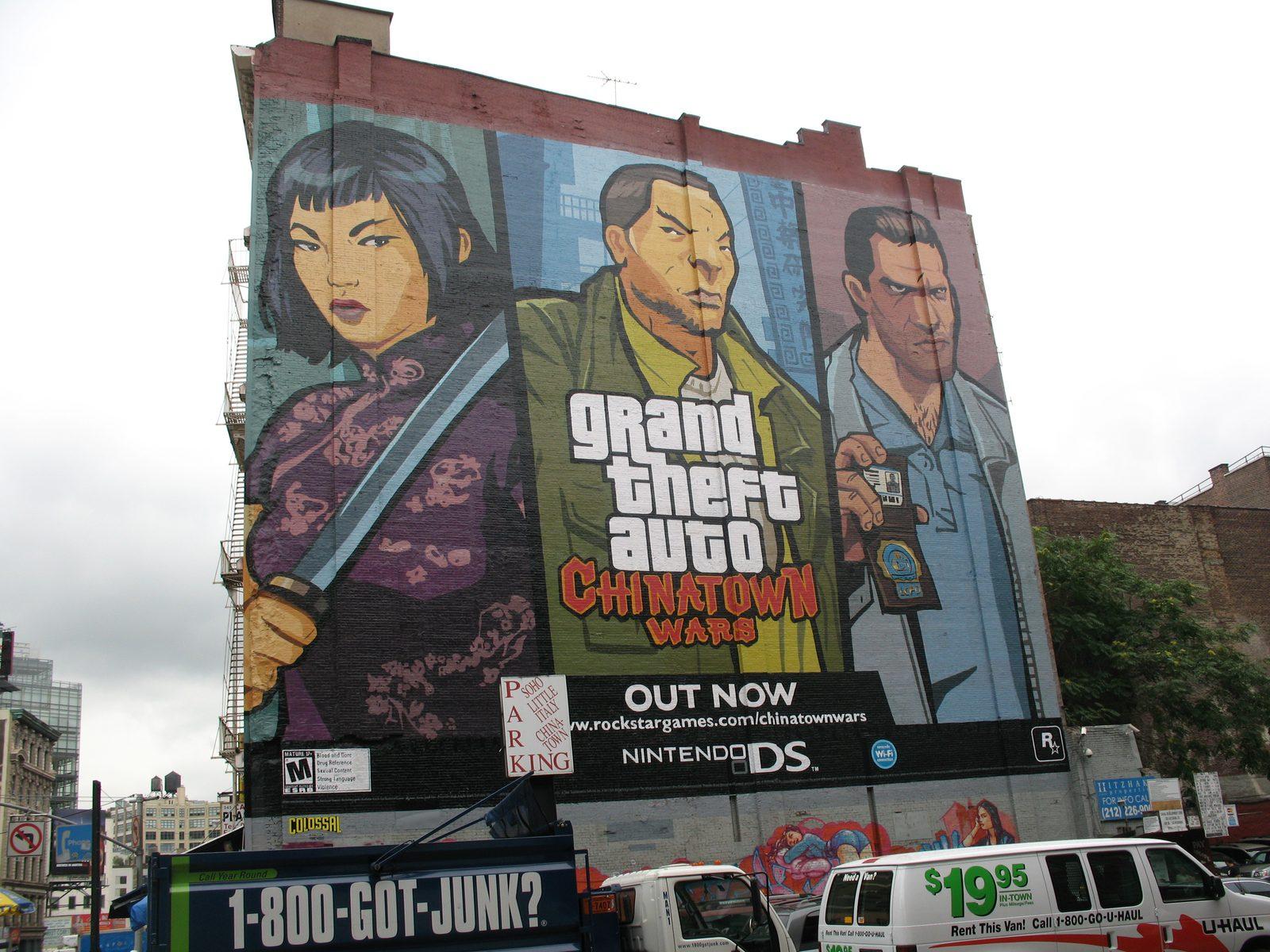
GTA 6 has 600,000 animations. That's a content number, not a frame rate number.
Rockstar says GTA 6 ships with well over 600,000 unique animations - roughly 11 times GTA 5 and double Red Dead Redemption 2. Impressive art budget. But clip count isn't what tanks your 1% lows, and it's worth being precise about which part of your PC is actually going to sweat.
Rene Sjeverac
Monday, August 31, 2026
Six hundred thousand. That's the animation count Rockstar gave The New York Times for GTA 6, and the comparison points are brutal: GTA 5 had 55,000, and Red Dead Redemption 2 - still the game people cite when they want to win an NPC-fidelity argument - had 300,000. So roughly 11x the last GTA, double the last Rockstar showpiece.
My first reaction wasn't "wow." It was "okay, where does all of that live?"
Not because I doubt the number. Because I've spent enough hours staring at frametime graphs to know that an animation library is a content metric. It measures how much work an art department did over a decade. It does not tell you how many milliseconds a frame costs. Those 600,000 clips are never all resident at once - the vast majority of them are sitting on your SSD, streamed in as the game decides which behaviours the crowd around you needs right now. A bigger library mostly means a bigger streaming and storage bill, not a bigger per-frame bill.
What actually eats the budget
Crowds get expensive per agent, not per clip. Pathfinding. Behaviour tree evaluation. Animation blending and IK solves. Physics contacts. Then the skinning and draw cost of a lot of unique skeletons on screen at once. Double the clip library and per-NPC cost barely moves. Double the number of NPCs that are actually thinking and being skinned every frame, and your 1% lows fall through the floor - which is exactly why Cyberpunk 2077's crowd density slider is one of the few settings in that game that hits the CPU harder than the GPU.
The detail from the Rockstar side that actually made me sit up wasn't the headline figure. It was the bit about NPCs remembering things - the example given was a character dropping an object and, unlike in GTA 5, not immediately forgetting it existed. Persistent per-agent state is a memory and simulation cost that follows you around whether or not those NPCs are on screen. That's the kind of thing that shows up as a stutter when you turn a corner into a busy street, not as a lower average framerate on a benchmark run.
Rockstar North co-head Aaron Garbut told the NYT the studio stood up an entire new team for this, art-directing each NPC individually rather than leaning on procedural generation - and, notably in 2026, without generative AI in the pipeline. Hand-authoring six figures worth of animation is a genuinely absurd amount of labour and I'm not going to pretend otherwise.
But I want the thing every PC player wants and rarely gets on day one: a density slider, and honest scaling. Give me the option to trade crowd simulation for frametime consistency, because that trade is the whole ballgame on a game like this. Console fixed hardware gets tuned to one target; we get whatever the port team had time for.
I'll take 600,000 seriously the moment someone posts a clean frametime graph from a packed Vice City street at night with traffic. Until then it's an art credit, not a performance claim.
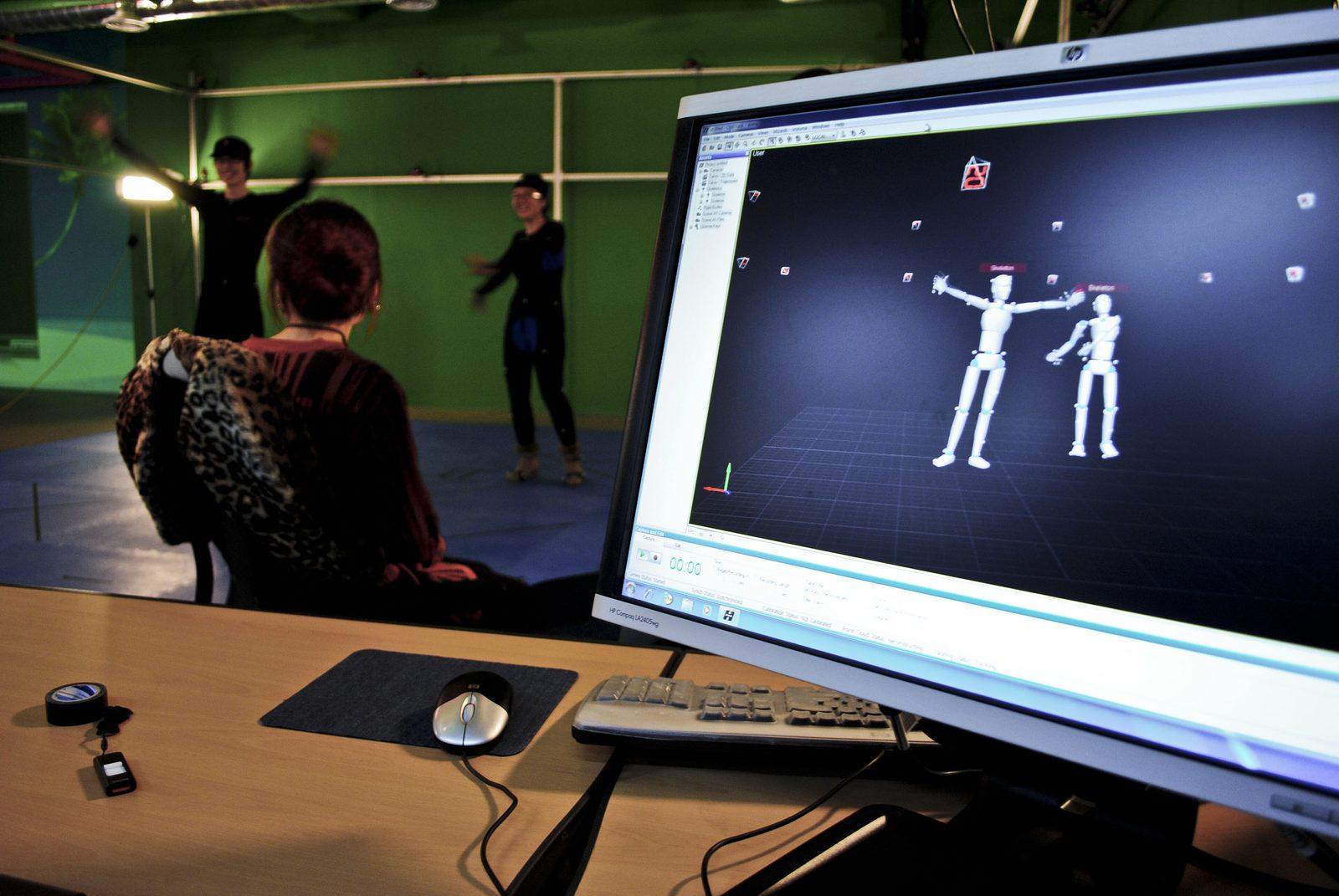
Image: Raíssa Ruschel / CC BY 2.0, source: https://commons.wikimedia.org/wiki/File:Body_Motion_Capture.jpg