The physical games debate is really about who owns your library
Dan Houser says companies should offer physical games. His old studio shipped GTA 6 with no disc, and Sony stops pressing discs in 2028. Here's what that actually costs players.
Jakov Mikelić
Tuesday, July 28, 2026
Dan Houser, co-founder of Rockstar Games, just said the quiet part out loud. Asked about the physical-versus-digital fight, he offered a tidy line: if people want physical media, companies should provide it. Hard to argue with. The awkward bit is that his old studio just shipped Grand Theft Auto 6 with no disc at all, and Sony has confirmed it'll stop pressing physical discs for its games after January 2028.
So the debate isn't really about nostalgia for plastic cases. It's about who actually controls your library.
What a disc quietly gave you
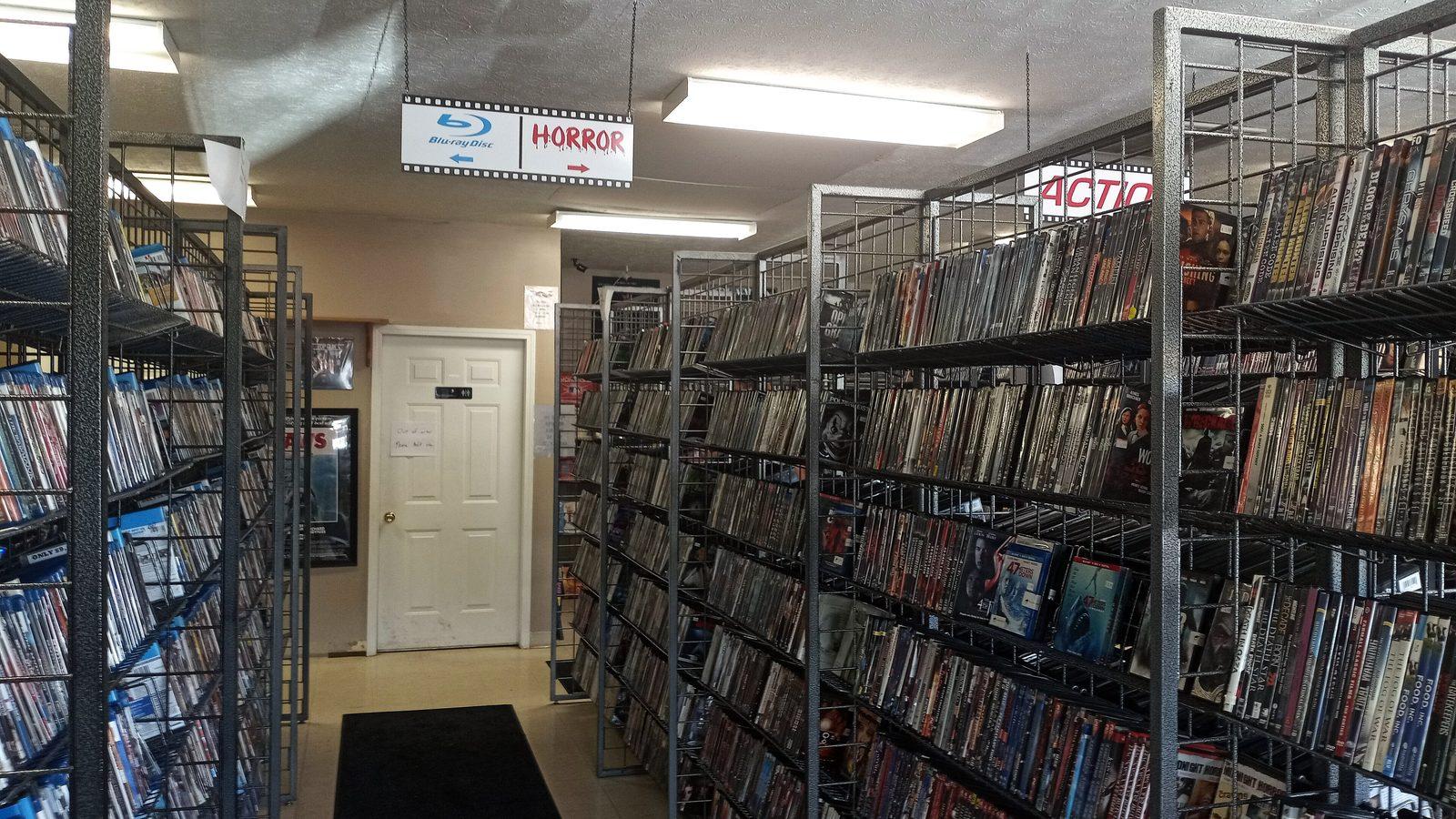
Here's the thing people forget when they wave off physical as "outdated." A disc was never just a delivery method. It was a set of rights you didn't have to ask permission for. You could resell it. Lend it to a friend. Buy it second-hand for half the price a year later. Order it from a cheaper shop abroad when the local price stung. Every one of those routes is a way an expensive hobby stays reachable on a normal paycheck.
Kill the disc and you don't lose a format - you lose all of those exits at once. A digital code welded to one account can't be resold, can't be lent, can't be picked up used. The "sale" price is whatever the store decides on the day, and there's no floor under it.
The part that should worry single-player fans
We already learned the always-online lesson the hard way. Pay full price, and one morning the servers go dark and the game is simply gone. But losing physical media widens that risk to games that have nothing to do with servers. A single-player title you might reasonably want to replay in ten years now depends entirely on whether the publisher keeps it listed in a store. And we've all seen how fast something stops being "commercially viable" for them.
That's why Houser's comment lands a little hollow. The principle is good. It's also completely at odds with what the company he built is doing right now. Publishers love to sell the end of discs as convenience - no trip to the shop, instant downloads, tidier shelves. Convenient for whom, exactly?
I'm not romantic about scratched discs and swapping cases. I just want the option to own the thing I paid for, not rent it indefinitely at a price someone else adjusts whenever they feel like it. If the industry genuinely believes players should get that choice, the moment to prove it is now - while the presses are still running.
Image: MatthewHoobin / CC0, source: https://commons.wikimedia.org/wiki/File:Blu-ray_and_horror_movie_sections_inside_Pre_Played_Media_in_Buckhannon,_West_Virginia,_US,_on_4_August_2023_(01).jpg