
Tripwire says live-service pitches are a red flag. Good.
Tripwire's publishing arm now treats small-team live-service pitches as a red flag and is prioritizing peer-to-peer play, server browsers and self-run communities instead. As someone raised in server browsers, I think that's the healthiest thing a publisher has said in years.
Rene Sjeverac
Wednesday, August 19, 2026
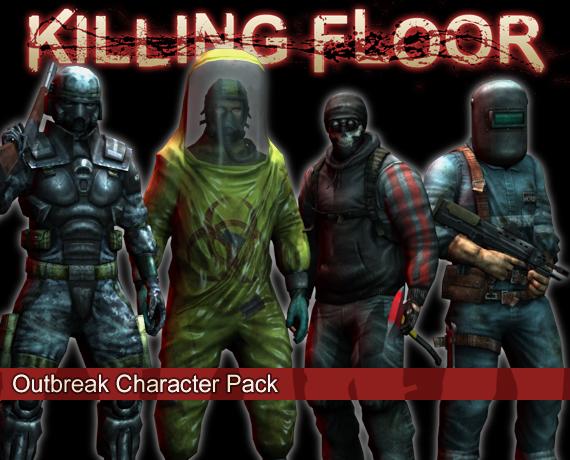
A publisher finally said the quiet part out loud. Talking to PC Gamer, a publishing director at Tripwire - the Killing Floor and Red Orchestra people - said that a small team pitching a live-service model is "a red flag for us". Instead, the company is hunting for multiplayer games built the old way: peer-to-peer, server browsers, communities that run themselves. Preservation, in their framing, is a responsibility, not a nice-to-have.
I've spent an unhealthy chunk of my life inside server browsers, so forgive me if I stand up and applaud.
Everything I care about in competitive PC gaming came out of that architecture. Counter-Strike didn't grow because a matchmaking algorithm sorted people efficiently; it grew because thousands of community servers had regulars, admins, house rules and rivalries. 128-tick servers existed for years before Valve shipped them officially - because communities ran their own hardware and tuned it harder than the platform holder ever bothered to. Killing Floor itself started life as a mod. Tripwire knows exactly which soil it grew from.
The matchmaking-only, always-online model gave us convenience and took the deed to the house in return. When the studio flips off the master server - and they always do, eventually, on some quarterly call - the game is gone. Not "less populated". Gone. Meanwhile a 20-year-old shooter with a server browser and dedicated server files still has a Tuesday-night community somewhere in Europe. That's not nostalgia, that's just uptime.
There's a cold business read here too, and Tripwire isn't hiding it. Live-service is brutally expensive to keep alive, and the graveyard of small-team live-service games is enormous. The company has reportedly taken lessons from its own experience publishing Deceive Inc. For a small studio, shipping a finished multiplayer game that the community can host is not just more ethical - it's the only version of the bet with survivable downside.
One asterisk from the competitive corner: peer-to-peer is not my friend. Host advantage, NAT hell, someone's home Wi-Fi deciding a round - no thanks. If you're going to build for longevity, the gold standard is still dedicated server binaries in the players' hands, with a browser on top. P2P is the budget path to the same philosophy, and I'll take it over a rented lobby that evaporates in three years, but let's not pretend the two are equal.
The timing isn't an accident either. Stop Killing Games dragged this exact question in front of EU lawmakers, and players have become noticeably allergic to buying multiplayer games with an expiry date nobody printed on the box. A publisher building its whole pitch filter around that shift isn't being sentimental. It's reading the room faster than the big ones.
More of this, please. The server browser was never the outdated part - the disposable game was.
Image: Tripwire Interactive / CC BY-SA 3.0, source: https://commons.wikimedia.org/wiki/File:Killing_Floor_Dlc_kf_title.jpg