
Devolver Is Leaving the Stock Market - and Croteam Goes With It
Devolver Digital has filed to delist from London's AIM, and its shares promptly fell around 59 percent. The publisher owns Croteam, the Zagreb studio behind Serious Sam and The Talos Principle - so this one lands closer to home than it looks.
Jakov Mikelić
Saturday, August 8, 2026
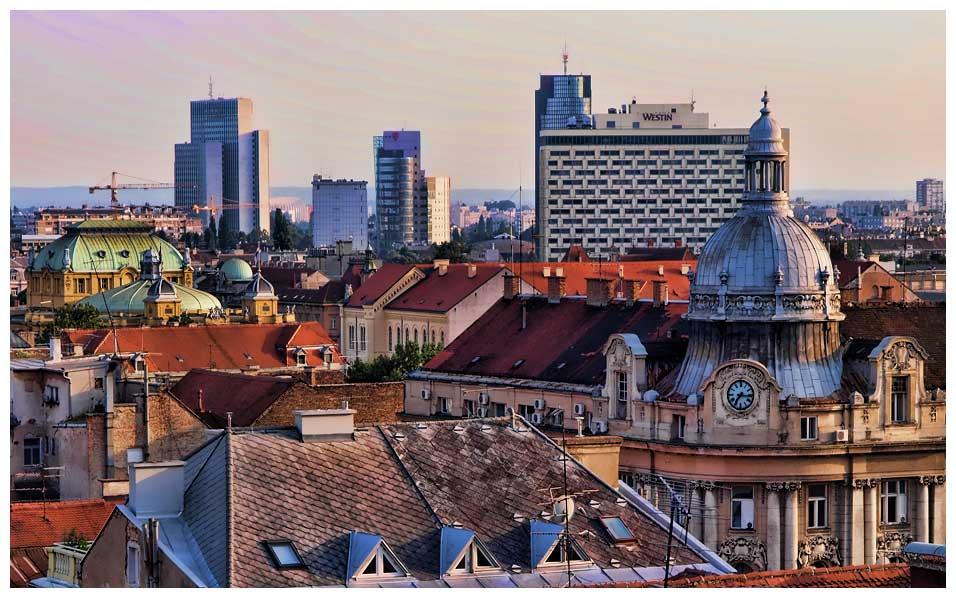
There's a studio in Zagreb that's been shipping games since 1992, and this week its future got quietly tied to a line item on the London Stock Exchange.
Devolver Digital - the publisher that owns Croteam - filed on 6 August to cancel its listing on AIM, the LSE's junior market. If shareholders approve it at a general meeting on 8 September, trading stops on 16 September and Devolver goes back to being a private company, a little over four years after it went public in 2021.
The market's reaction was not subtle. The stock dropped by roughly 59 percent on the announcement, down to 6.5 pence. And that was from an already sorry 16 pence, itself well below where the shares sat after the 2024 annual results. Delisting is the plan, but the price got there first.
Devolver's own explanation is a "valuation disconnect" - that the share price doesn't reflect what the company is actually worth, and that the volatility rolling through the games industry has made public markets a bad home for a publisher like this one. To be fair, the numbers they point at aren't a rescue story. Revenue, gross margin and adjusted EBITDA all improved in 2025 over 2024, and a June trading update flagged revenue growth of more than 60 percent year on year. Shareholders who want out are being offered a tender at 16 pence for up to 23,320,896 shares, which caps the whole exercise at around £3.7 million.
Why this lands close to home
Croteam has been part of Devolver since October 2020. Serious Sam, The Talos Principle - that's a Zagreb team, one of the longest-running studios in this part of Europe, and it's owned by a publisher that just told the London market it's had enough.
I don't think that's automatically bad news. Honestly, indie publishing and quarterly reporting were never a good match. Devolver's whole identity is funding odd, small, risky games that might sell a few thousand copies or a few million, and there's no way to explain that rhythm to investors who want a smooth line going up. Going private takes that pressure off. Studios inside the group could end up with more room, not less.
What we lose is the paper trail. A listed company has to publish results, flag material changes, put numbers on the record. Once Devolver is private, the only way anyone here finds out how a studio in the group is really doing is the usual way: a job posting that quietly disappears, a LinkedIn post, a game that stops getting patches.
So mark 8 September if you care, but don't expect fireworks. The resolution needs 75 percent of votes cast and the biggest holders have every reason to back it. From mid-September we go back to judging Croteam the way we judged it for most of its thirty-odd years - by what actually ships.
Image: Mario Fajt from Marbella, Spain / CC BY 2.0, source: https://commons.wikimedia.org/wiki/File:Zagreb_2_(4685302916).jpg