DLSS 5 Hands Devs Two Sliders and a Mask - And I'm Cautiously OK With It
Nvidia finally showed how developers steer DLSS 5's diffusion-transformer upscaler: two global sliders and per-object masking. It's less than I feared, more than the doomposters expected.

Marko Kovač
Tuesday, July 21, 2026
For months the loudest take on DLSS 5 has been that Nvidia is bolting a generative AI filter onto your game and quietly taking the wheel from the people who actually built the thing. So when the company finally laid out what controls developers get, I braced for the worst. What we got is two sliders and a masking tool. And honestly? I'm cautiously fine with that.
Here's the setup. DLSS 5 swaps the old-school upscaler for a one-step pixel-space diffusion transformer - a model distilled down from something much bigger so it can run in real time on your GPU. It's scene-aware, meaning it treats skin, hair, water and metal as different materials instead of one smeared blob of pixels. Cool in theory. The worry was always the same: who decides how hard the AI leans on a given frame?
The answer is the devs, sort of. They get two global knobs - Structure Intensity and Tone Intensity - each running from 0 to 1. Structure handles how aggressively the model reworks detail and edges; tone handles the color and lighting side. On top of that there's Developer Masking, which lets artists carve out specific objects and dial the effect up or down on them individually. So if the neural net wants to make your hero's face look like a wax sculpture, an artist can rein it in on that mesh alone.
Two sliders isn't a lot of surface area for a technology this invasive, and Nvidia admits more controls are being built. That's the part I'll be watching. A 0-to-1 global dial is a blunt instrument, and "trust us, more is coming" is a sentence I've heard from every hardware company that ever shipped a half-baked feature. But per-object masking is the genuinely reassuring bit. That's the difference between a filter smeared over the whole frame and a tool an art director can actually direct.
With DLSS 5 slated for fall, the real test isn't the SIGGRAPH slides - it's the first game that ships with it and whether studios bother tuning those masks or just leave both sliders at default and call it done. I've seen how upscalers get implemented under deadline pressure. The controls existing and the controls being used are two very different things, and only the second one shows up in your frame time.
For now, the paranoia was a little overblown. Nvidia isn't fully driving. But it's absolutely got a hand on the wheel, and it's up to devs to keep both of theirs there too.
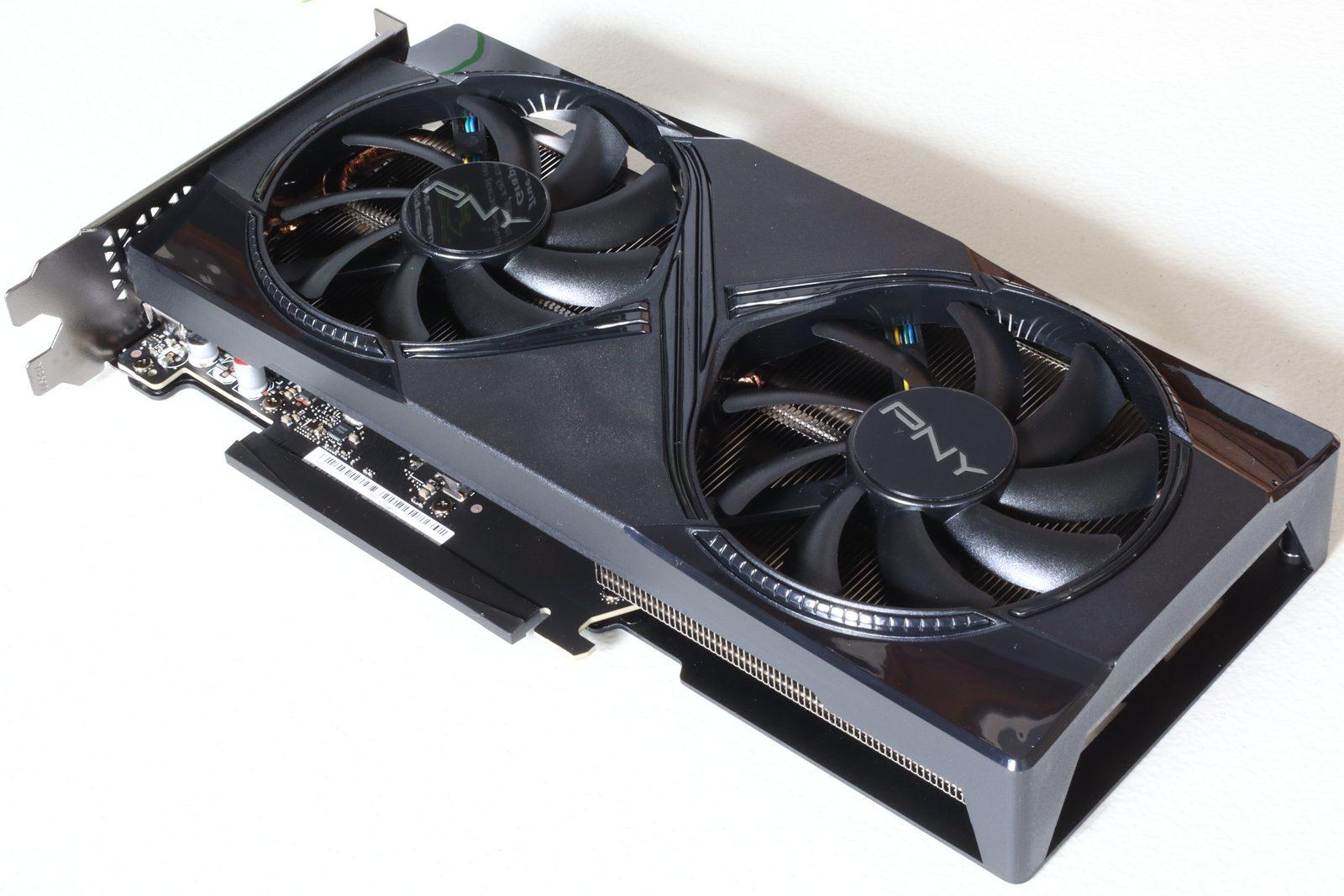
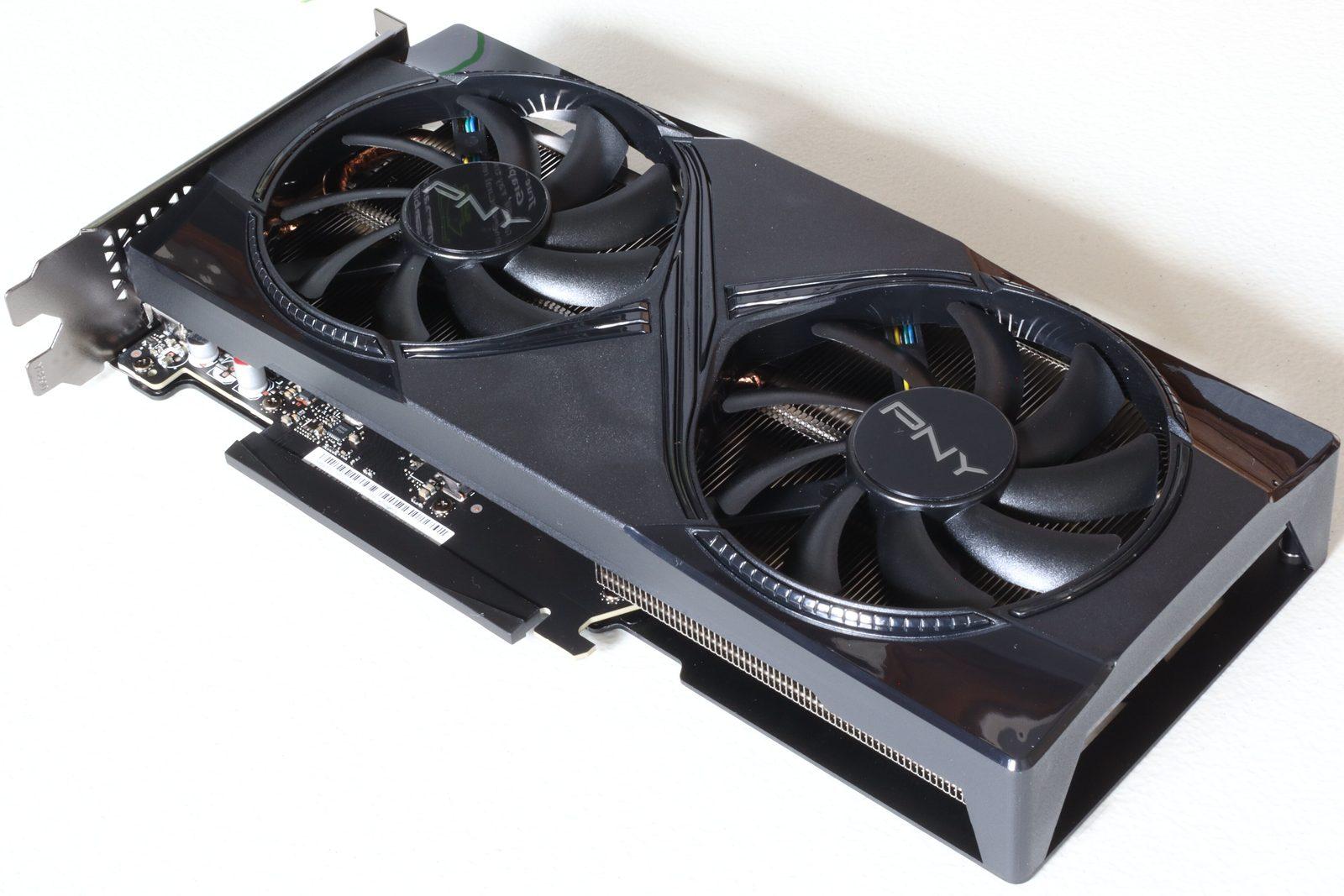
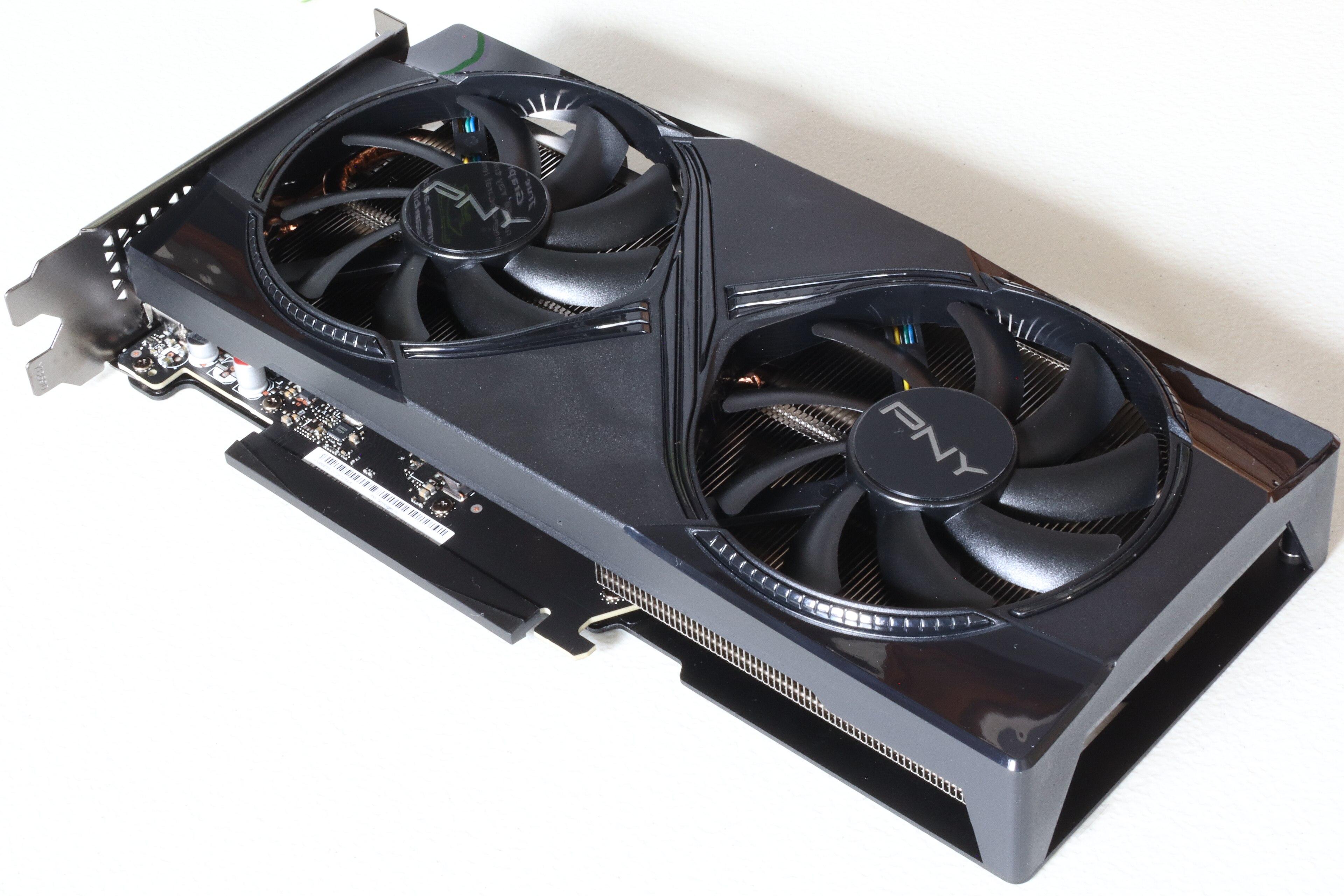
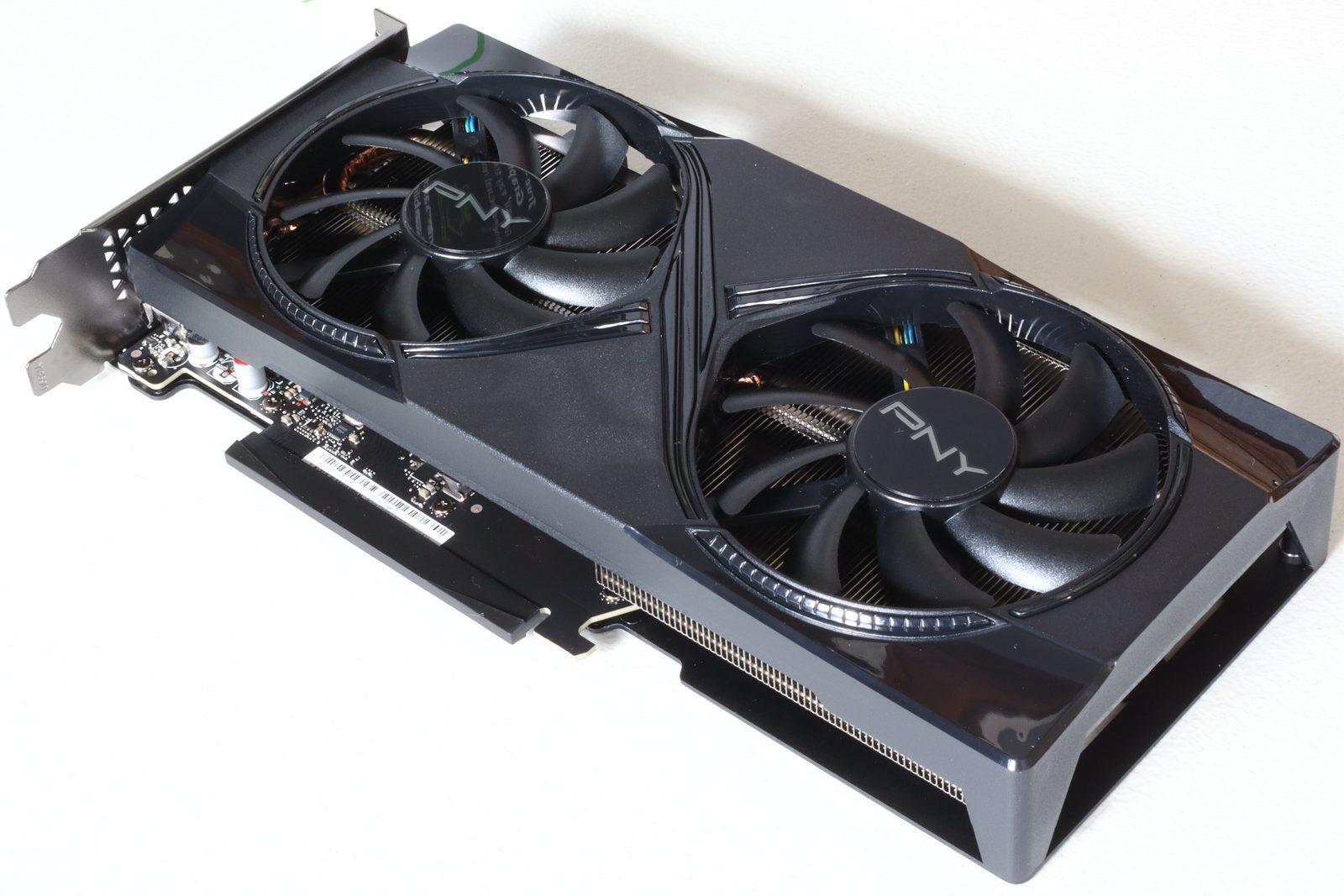
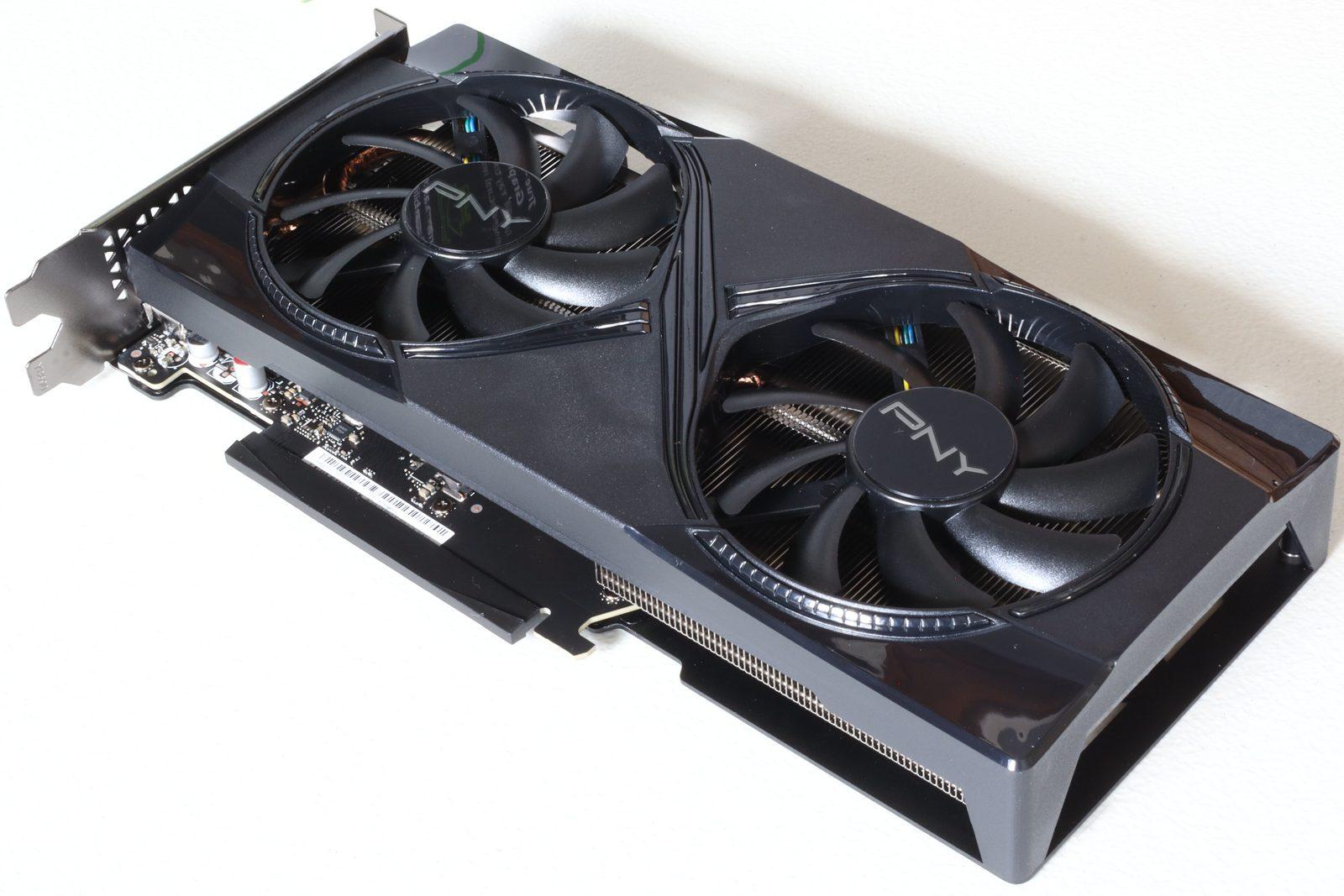
Image: FreeMediaKid! / CC BY-SA 4.0, source: https://commons.wikimedia.org/wiki/File:Nvidia_GeForce_RTX_5060_Ti_16GB,_PNY_Overclocked_Dual_Fan,_front.jpg