DLSS 5 Can Eat 73% of Your Frames - and Frame Gen Is the Cover Story
PC Gamer's testing shows DLSS 5's new 3D-Guided Neural Rendering can cut frame rates by up to 73% on an RTX 5080 in NBA 2K27. Here's why frame generation numbers can't paper over a render-rate collapse - and why your mouse will notice.
Rene Sjeverac
Friday, September 4, 2026
Up to 73%. That's the frame rate hit PC Gamer measured after flipping on DLSS 5's new 3D-Guided Neural Rendering in NBA 2K27 - on an RTX 5080. Not some dusty mid-ranger. One of the fastest gaming cards you can currently buy, losing nearly three quarters of its output to a lighting feature.
Quick context: DLSS 5 just debuted in NBA 2K27, and its headline trick is neural rendering that's supposed to push lighting toward broadcast-photoreal territory. It's exclusive to RTX 50 series cards, so this isn't old silicon choking on new code. This is the launch hardware, running the launch title, taking a hit that would get any other graphics setting laughed off the options page.
Frame gen is doing the PR work
Here's the part that actually annoys me. Nvidia's performance messaging around DLSS 5 leans hard on multi-frame generation, so the charts still show big, comfortable fps numbers. But I've tuned enough configs to know the difference between frames you render and frames you interpolate. Generated frames don't sample your mouse. Your input latency is tied to the real render rate underneath - and if neural rendering craters that base rate, no amount of generated frames makes the game feel fast. It just makes the counter lie more confidently.
For a competitive player the math is brutal. At high refresh you're fighting for every millisecond of frame time, and this toggle hands back years of GPU progress in exchange for prettier bounce lighting in a basketball game.
To be fair: it's one game, a first implementation, and "up to 73%" is the worst case. NBA 2K27 is exactly the kind of showcase title Nvidia loves - a sports game built around broadcast presentation. If you play MyCareer at 60 fps on a controller, maybe you genuinely don't care. Fine.
But the pattern is familiar. Ray tracing on the RTX 20 series was also too expensive at launch to actually use. Features that cost this much on first-generation hardware are effectively tech demos for cards that don't exist yet. Nvidia gets to sell image quality today that will only run comfortably two generations from now.
My advice hasn't changed since DLSS 2: benchmark the real render rate, not the counter. If a lighting toggle costs you 73% of your frames, it's not a setting - it's a fork in the road: screenshots or gameplay. I know which one I'm picking.
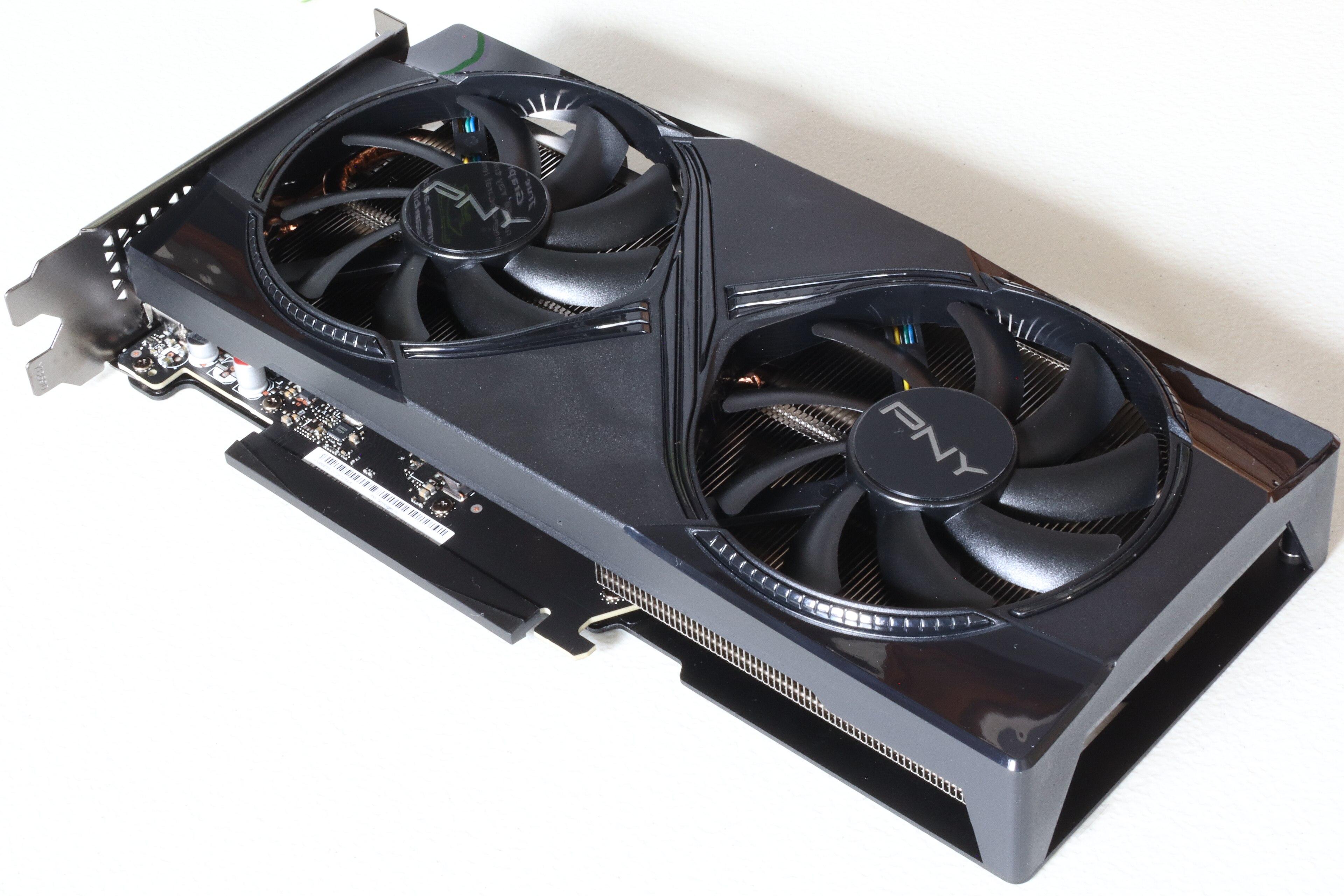
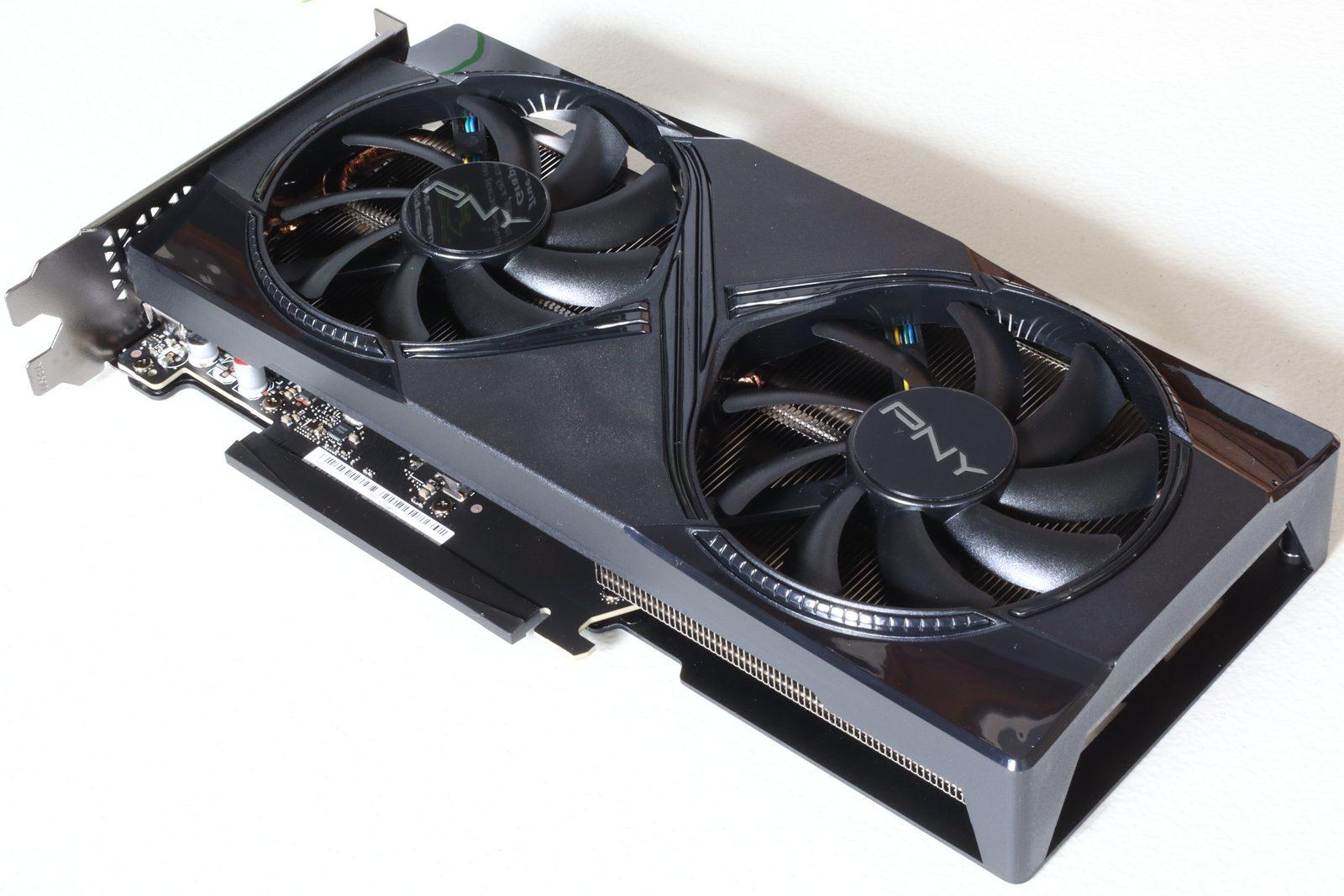
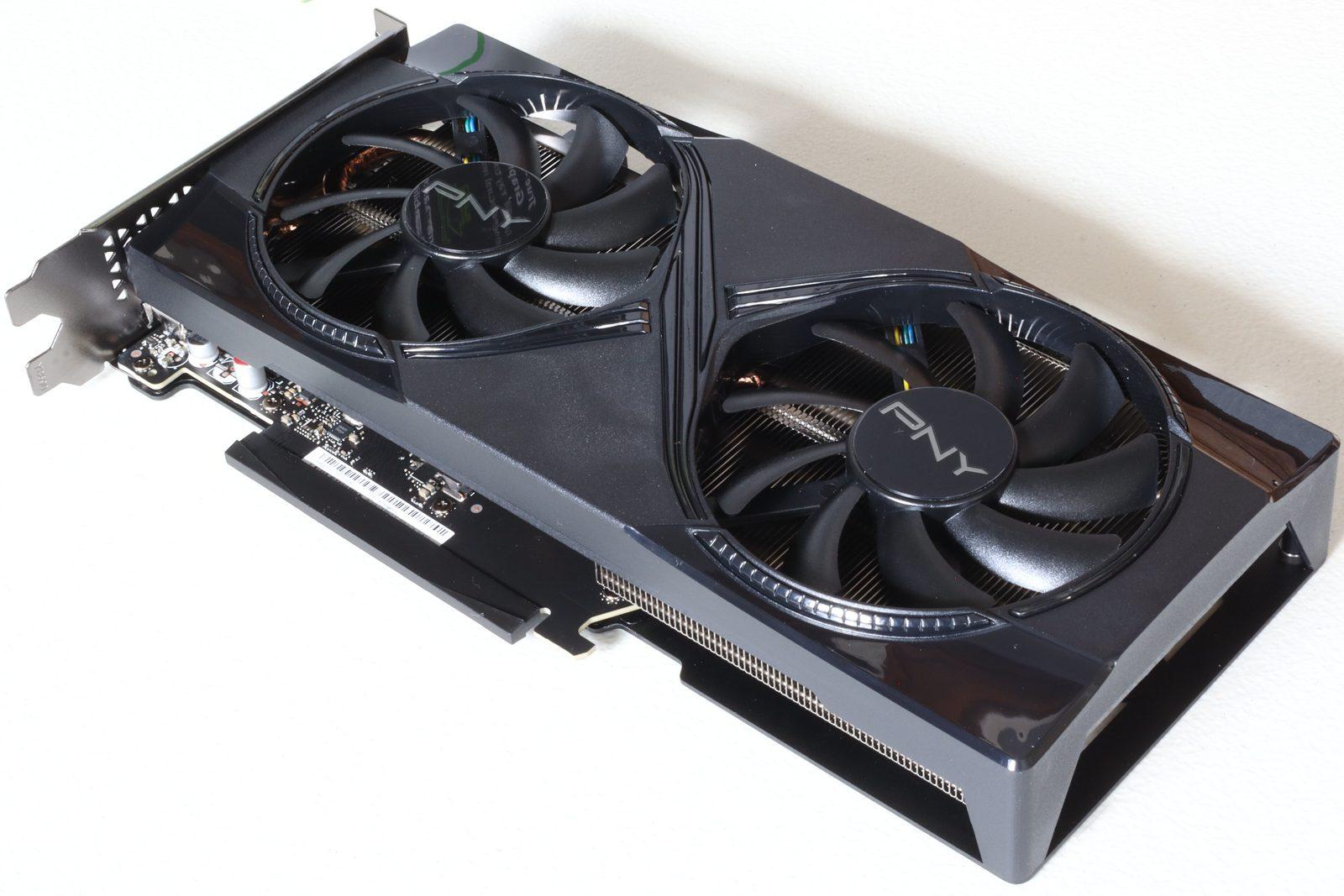
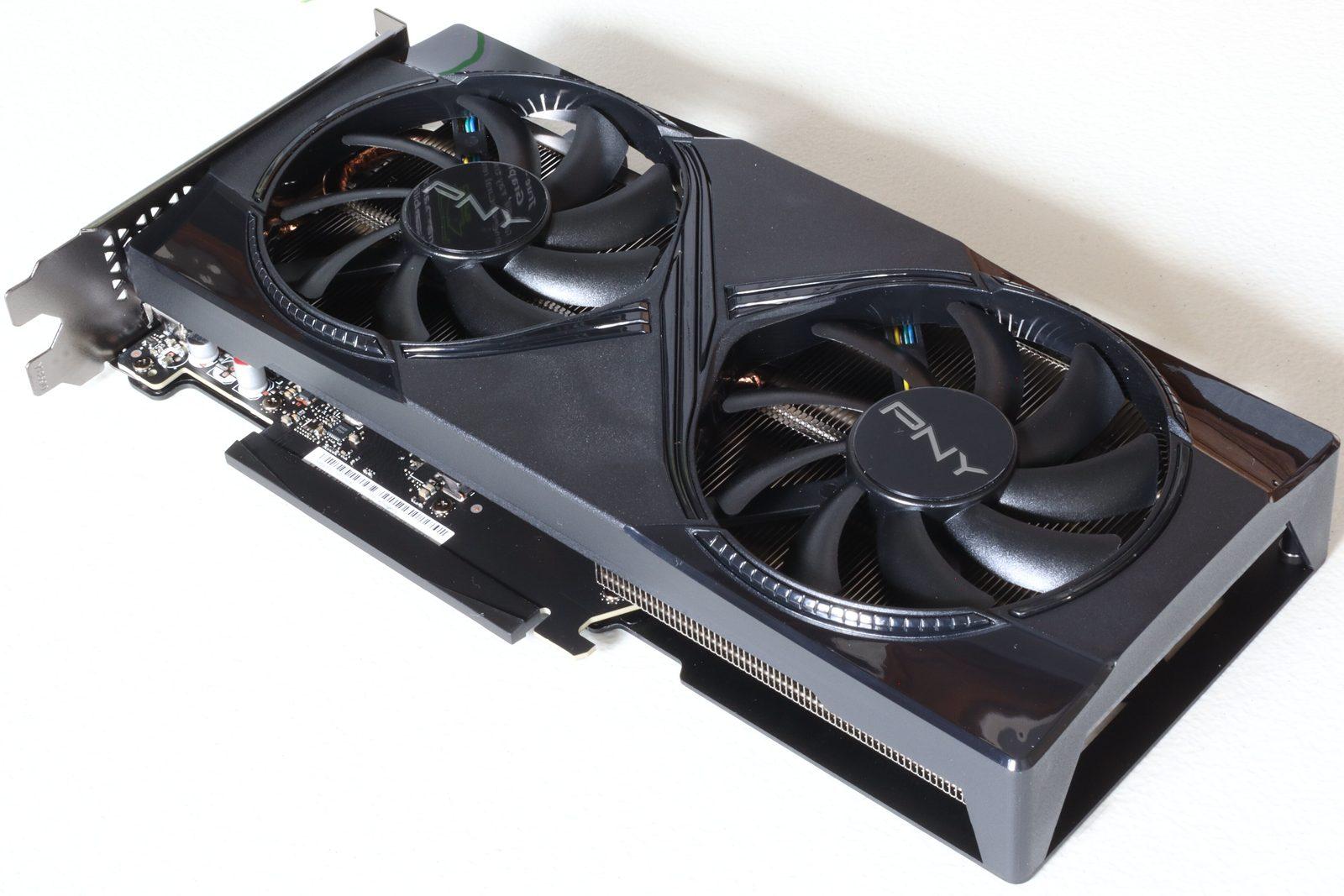
Image: FreeMediaKid! / CC BY-SA 4.0, source: https://commons.wikimedia.org/wiki/File:Nvidia_GeForce_RTX_5060_Ti_16GB,_PNY_Overclocked_Dual_Fan,_front.jpg