RAM won't get cheaper before late 2028, says TeamGroup: should you buy DDR5 now or wait?
TeamGroup's CEO says memory supply and demand may not balance until late 2028 at the earliest. Here's what that means if you're planning a build or an upgrade - what to buy once, and what to tune instead.
Rene Sjeverac
Thursday, November 5, 2026
"How can prices fall when there's nothing left?"
That's TeamGroup's CEO, and it's the most honest sentence a memory vendor has said all year. His read on the market: supply and demand for memory may not find balance until late 2028 - and that's the optimistic case, not the median one. The other half of his warning is the part that should make anyone with a half-finished build sit up: right now you can still buy, it's just expensive. A little further down the line, you might not find stock at all.
Yes, the obvious caveat applies. A man who sells RAM telling you RAM won't get cheaper is not a neutral witness. But he isn't saying anything the chipmakers haven't already said. Micron told investors on its last earnings call that it doesn't see the shortage easing before 2028, and the reason hasn't changed in months: AI datacentre buyers are soaking up DRAM capacity and paying more per wafer than any gaming kit ever will. When the people who make the chips and the people who put them on sticks agree, I stop treating it as marketing.
So the real question isn't whether the forecast is gloomy. It's what you do with it.
If you need RAM in the next year, stop waiting
The old playbook - wait six months, catch the dip - assumed memory moves in cycles. Nobody in the supply chain is forecasting a dip before 2028. Waiting now mostly means paying more for the same kit later, or refreshing a sold-out product page.
If you're buying, buy once and buy right:
- 2x16GB DDR5-6000 CL30 is still the gaming sweet spot on AM5 and does the job on current Intel too. Go 2x32GB only if you stream, edit or keep a browser with 80 tabs open next to the game. - Don't pay the premium for super-high-speed kits on AM5. Ryzen runs best with memory around 6000-6400 in sync with its memory controller. Past that you drop out of 1:1 and the gaming gains mostly vanish, while the price tag doesn't. - Two sticks, never one "to add later". Single-channel quietly taxes your 1% lows, and a matching stick bought in a year will likely cost more than the pair does today. Mixing kits is a stability lottery on top. - Check your board's QVL before you click buy. Returning a kit in a supply crunch is not where you want to be.
The same logic applies to SSDs, by the way - TeamGroup has been warning about NAND alongside DRAM for a while. If a drive is on your list, it's on the same clock.
If you already have enough, tune instead of buying
Here's the fun part for the tinkerers: a lot of rigs are leaving free performance on the table.
- Turn on EXPO or XMP. I still see builds running DDR5 at JEDEC default speeds because nobody flipped one BIOS switch. That's free frames you already paid for. - Tighten timings. In CPU-bound shooters like CS2 and Valorant, memory latency shows up in 1% lows more than in average FPS. A careful pass on primaries and tRFC, tested properly for stability, costs nothing but an evening. - AM4 with 2x16GB DDR4 3200-3600? You're fine for gaming. Moving platform right now means buying the most inflated part of the whole bill. Squeeze the platform you have and let others pay the crunch premium.
The one upgrade I wouldn't sit on: if you're on 16GB total and modern games stutter while the RAM counter sits at the ceiling, that's a real bottleneck, and it's not getting cheaper to fix.
The worst move in this market isn't overpaying by twenty euros. It's spending a year watching a price tracker for a dip that the people making the chips keep telling you isn't coming.
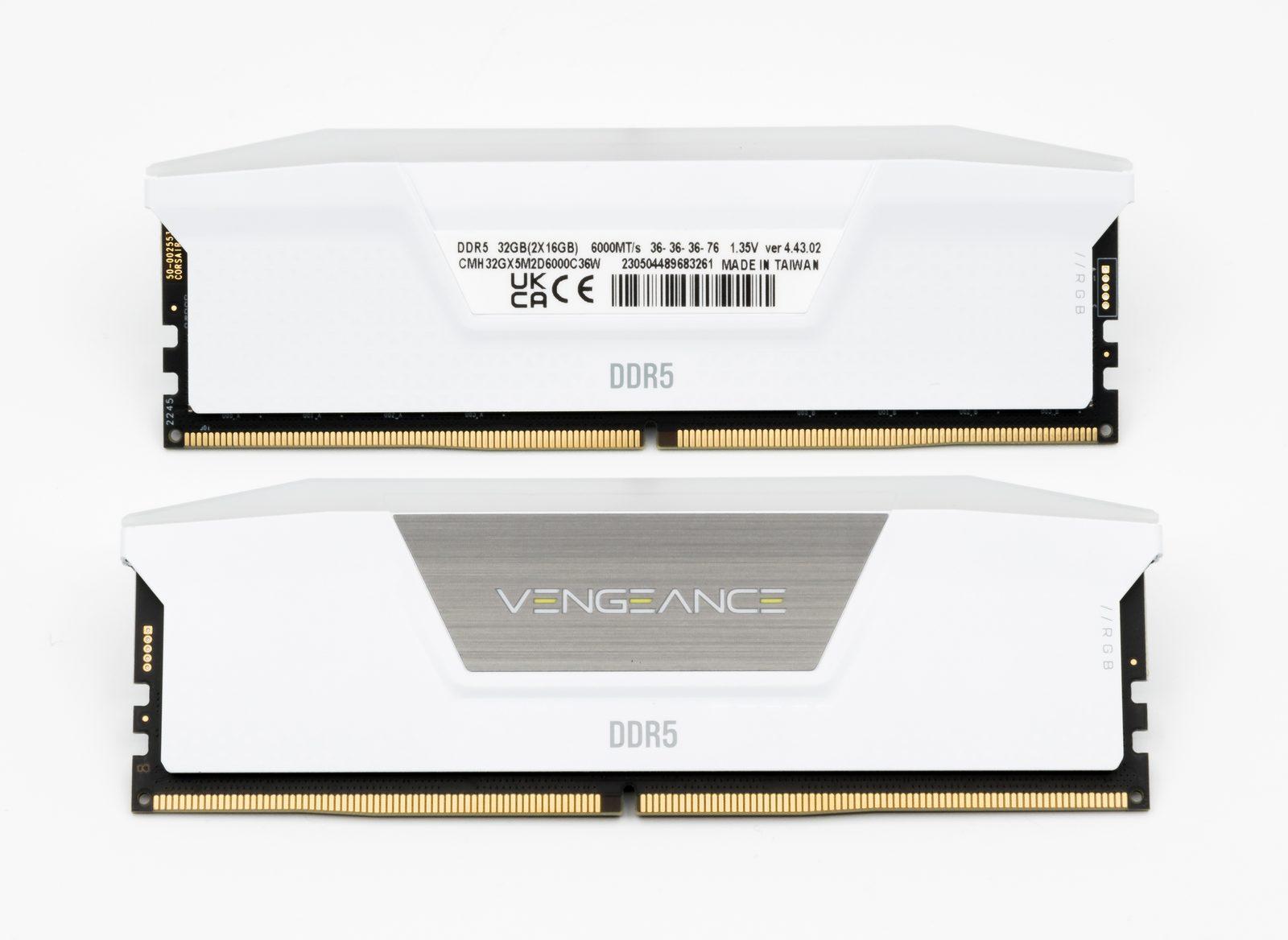
Image: Jacek Halicki / CC BY-SA 4.0, source: https://commons.wikimedia.org/wiki/File:2023_Pami%C4%99ci_Corsair_Vengeance_RGB.jpg