
Stop Killing Games backs Dutch lawsuit against Sony's digital store "monopoly" - and it concerns us too
The consumer campaign best known for fighting server shutdowns has joined a Dutch lawsuit accusing Sony of overcharging for digital PlayStation games. With physical discs on the way out, the case matters for players across the EU - including our region.
Jakov Mikelić
Thursday, August 13, 2026
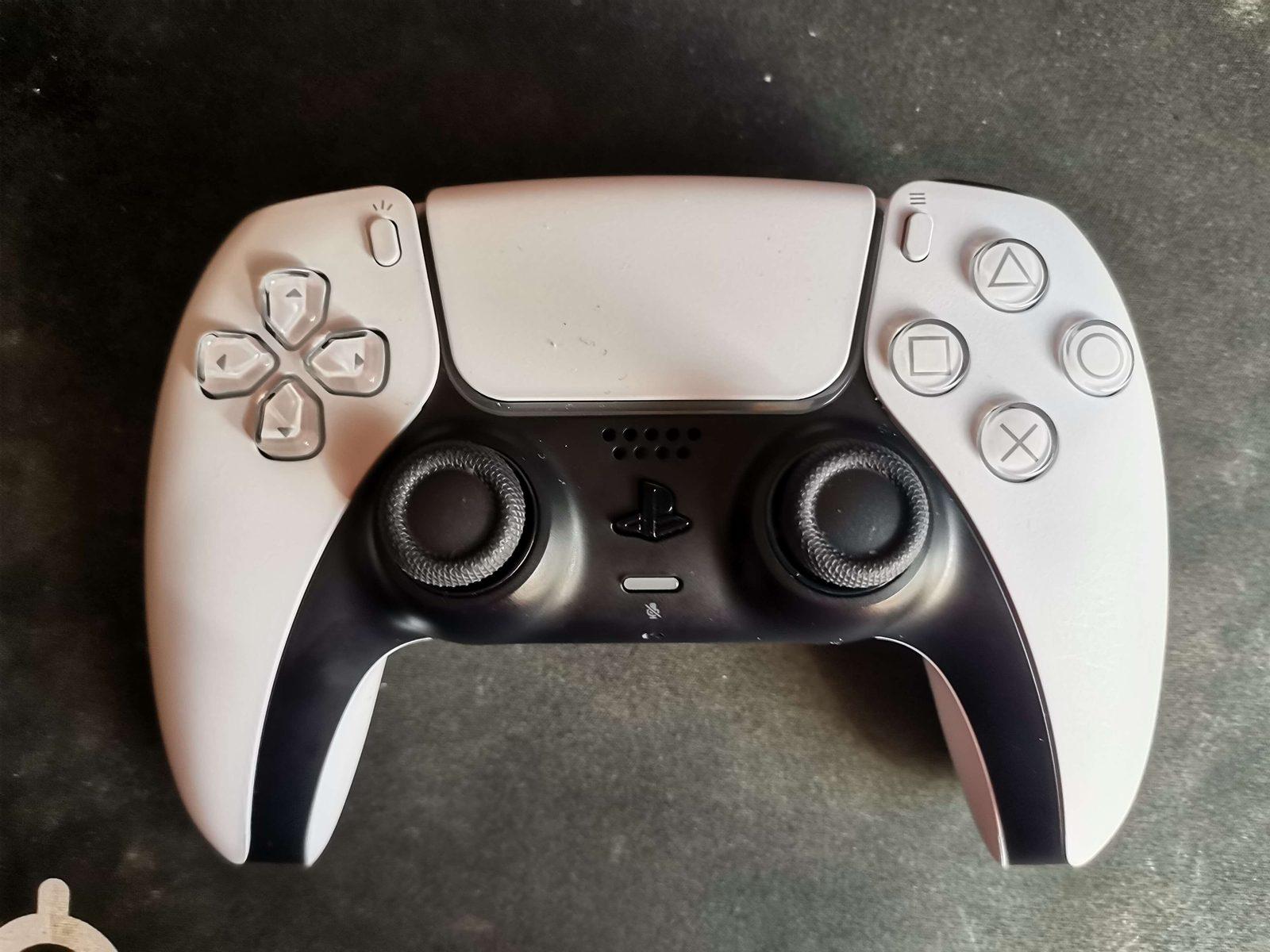
If you've ever sold a finished PlayStation game second-hand, or bought a used copy to save twenty euros, this story concerns you more than most headlines this week.
Stop Killing Games - the grassroots campaign best known for fighting publishers who shut down game servers - has joined a lawsuit in the Netherlands against Sony. The case was brought by a consumer rights foundation, Stichting Massaschade & Consument, on behalf of roughly 1.7 million Dutch PlayStation users, and it goes after something bigger than any single game: the claim that Sony holds a monopoly over digital game sales on its own console.
The argument is simple. On PlayStation, digital games can only be bought through Sony's own store. No competing shops, no price pressure. According to the foundation, that closed system has let Sony charge significantly more than a competitive market would allow - the claim goes as high as 47 percent - and the lawsuit seeks over 400 million euros on behalf of affected players.
Timing is doing a lot of work here. The "Fair PlayStation" campaign started well before Sony announced it would wind down physical PlayStation discs, but that decision pushed the case back into the spotlight. Once discs are gone, there is no alternative left: no retail competition, no used market, no lending a game to a friend. Whatever price shows up on the PlayStation Store is the price.
Why a Dutch verdict matters in our region
Formally, this lawsuit covers the Netherlands. But the Netherlands is an EU member, and the consumer law it leans on rests on the same foundations as ours. If a court there finds that a closed digital store distorts prices, that reasoning doesn't stop at the Dutch border - it becomes ammunition for regulators and consumer groups across the Union.
And let's be honest: smaller EU markets feel closed-store pricing harder than rich ones. We often pay the same 79.99 euros for a new release as players in Germany, on noticeably thinner wallets. Physical retail and the second-hand market have always been our pressure valve - the way a normal player actually affords a hobby this expensive. A digital-only PlayStation removes that valve entirely, which is exactly what this lawsuit is about.
I'm not expecting miracles. The first hearing, back in June, was purely procedural, Sony will fight this for years, and class actions of this size move at a glacial pace. But Stop Killing Games has already shown that organised pressure works - its petition forced the EU to formally look at server shutdowns. This move broadens the fight from "can I keep playing what I bought" to "how much did I overpay for it in the first place."
I'm not counting on a cheque from Sony either way. But someone finally putting a number - 47 percent - on what a closed store costs us is worth more than another angry forum thread.
Image: Xephuwu / CC BY-SA 4.0, source: https://commons.wikimedia.org/wiki/File:KontrolerDualSense.jpg