Thief designer says graphics peaked with Alan Wake - and my 1% lows agree
Randy Smith Evergreen thinks the fidelity arms race could have stopped in 2010. As someone who plays on low settings on purpose, I think he's half right - and the half he's missing is the part that matters on PC.
Rene Sjeverac
Saturday, September 12, 2026
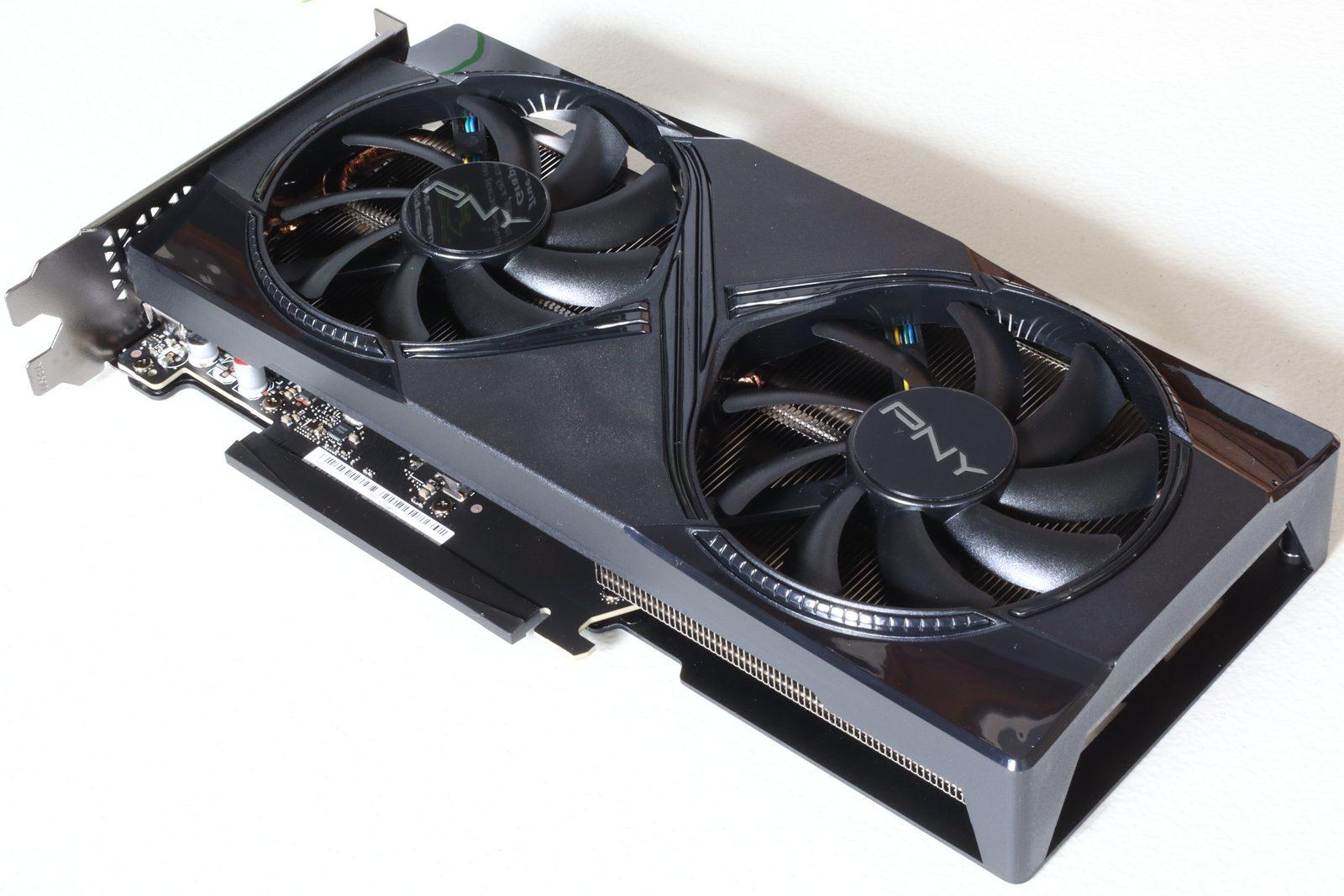
My Counter-Strike 2 config makes the game look worse than most things released in 2010. Shadows low, textures whatever, every post-processing effect that exists switched off. I didn't spend real money on a GPU to look at pretty smoke. I spent it so the frame time graph stays flat when five people push B at once.
So when Randy Smith Evergreen - designer on Thief: The Dark Project, credits on System Shock 2 and Dark Messiah, former Ion Storm game director - says in a recent interview that Remedy's original Alan Wake is "the fidelity everything needs to hit" and that "everything beyond that is gravy", my first reaction wasn't outrage. It was: yeah, fair.
Quick reminder of what we're talking about. Alan Wake launched on Xbox 360 in 2010 and famously rendered at roughly 540p on that console, leaning on lighting, fog and art direction to sell a mood rather than a pore count. The PC version turned up in 2012. It still holds up - not because every surface is physically accurate, but because the flashlight-versus-darkness idea reads at a glance. That's the bit the fidelity chase keeps forgetting.
Smith Evergreen's broader line - that "the fidelity curve has become outrageous" - usually gets framed as a budget problem. Bigger teams, longer dev cycles, more money spent on individual hair strands. True, but I think the PC side of the bill is worse and gets talked about less. We pay for the arms race in performance. Shader compilation stutter. Traversal hitches in open worlds. And a new normal where publishers print system requirements that assume upscaling and frame generation just to reach 60fps - Capcom's recommended spec for Monster Hunter Wilds literally came with that footnote. When your "recommended" target needs generated frames, the fidelity budget has eaten the performance budget, and the player is the one holding the receipt.
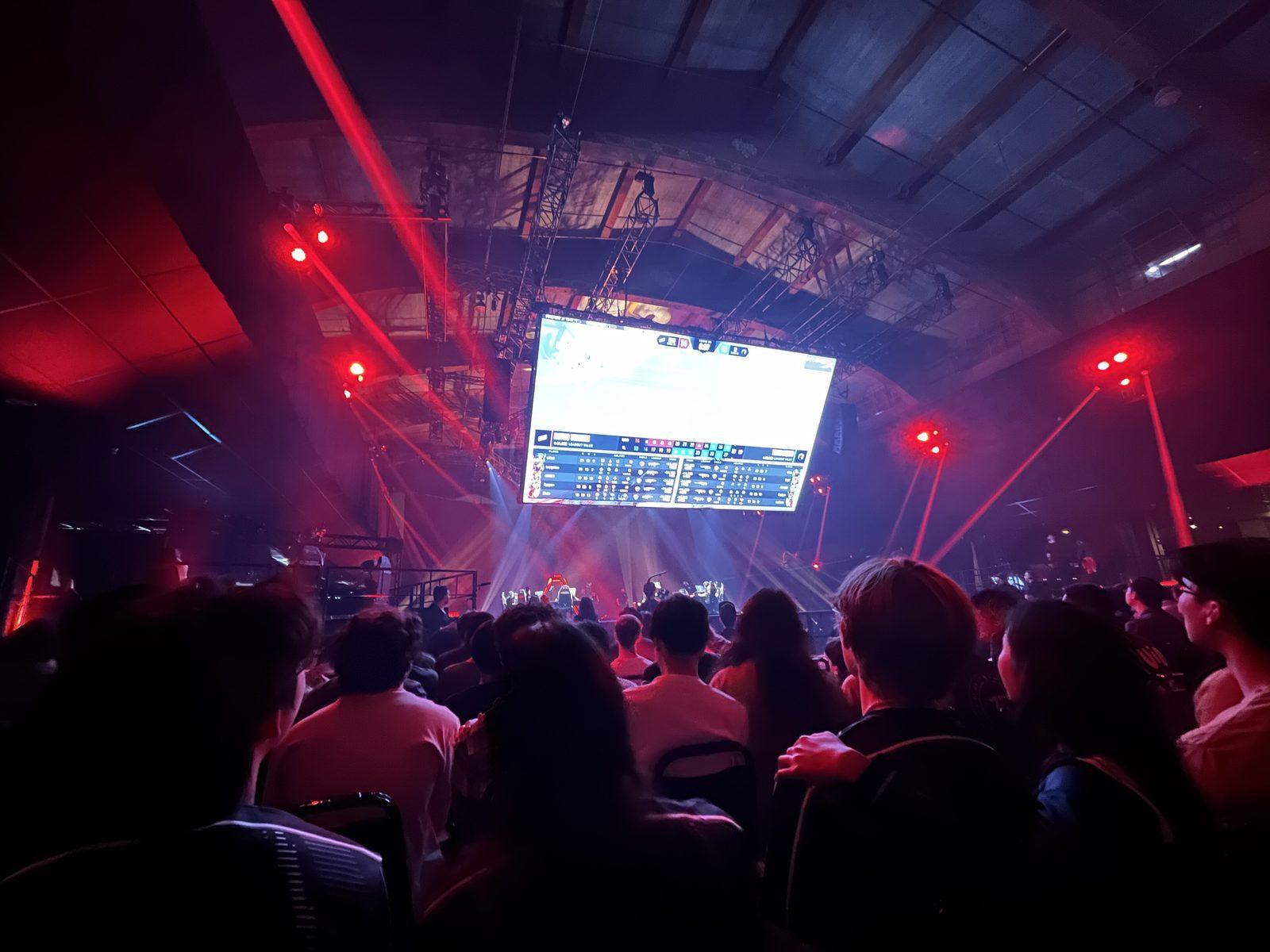
Look at what actually dominates the competitive scene. Valorant was built to run on integrated graphics and it's one of the biggest esports on the planet. Dota 2 and League of Legends never chased photorealism, and nobody in the pro scene is asking for a path-traced Roshan. CS2 moved to Source 2 and the loudest community complaints were about sub-tick feel and frame consistency, not texture resolution. Games that treat frame rate as a feature age well. Games that treat the screenshot as the feature age like milk.
Now, where I'd push back. "Graphics" isn't one slider. Some of what's arrived since 2010 genuinely makes games play better: animation blending that tells you where an enemy is actually going to be, lighting that improves readability instead of muddying it, high refresh rate support, lower-latency pipelines like Reflex and Anti-Lag. Those aren't gravy, that's the meal. A hard fidelity freeze at 2010 would freeze a lot of that too, and I don't want 2010-era input latency back, thanks.
So here's my version of his argument: stop the fidelity race, keep the performance race. Ship games that hold a clean, locked frame rate on mid-range hardware at native resolution, and let the ultra preset be the gravy it's supposed to be. If a studio makes something that looks like Alan Wake and runs at 240fps with flat 1% lows, I'll pre-order it. Okay, I won't pre-order it - I'll wait for the benchmarks. But I'll be very interested.
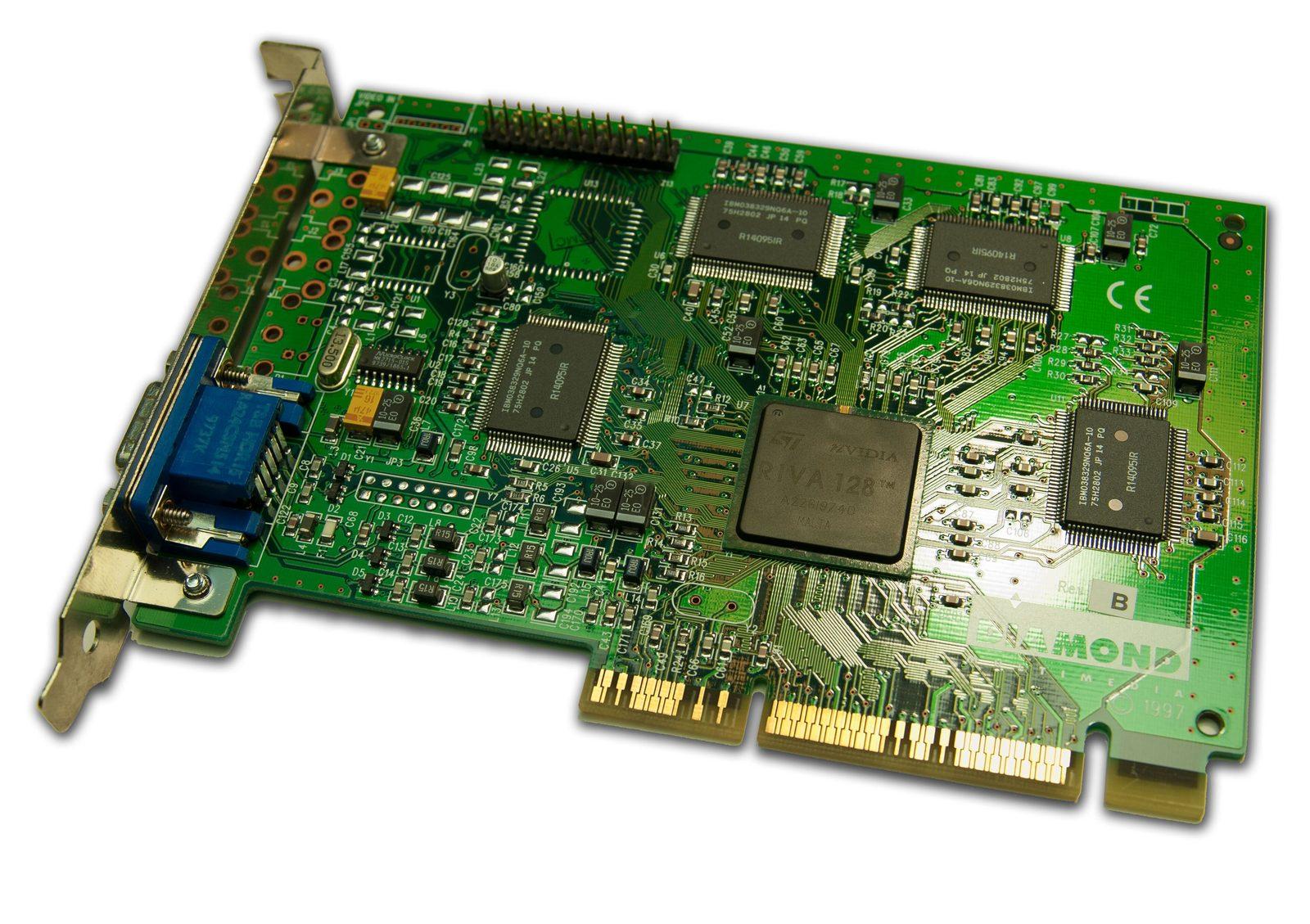
Image: Timothy Borkowski / CC BY-SA 3.0, source: https://commons.wikimedia.org/wiki/File:Graphics_Card_Diamond_Viper_330_with_Nvidia_(RIVA_128)_GPU.jpg